Movement Starts in the Brain
Most people think of movement as a physical skill, but every movement begins in the brain. Before a muscle contracts, the nervous system has already processed information, made a decision, and sent a signal.
The stronger the connection between the brain and body, the more efficient, responsive, and confident movement becomes. This is known as the mind muscle connection, and it plays a critical role in everything from balance and coordination to athletic performance and daily mobility.
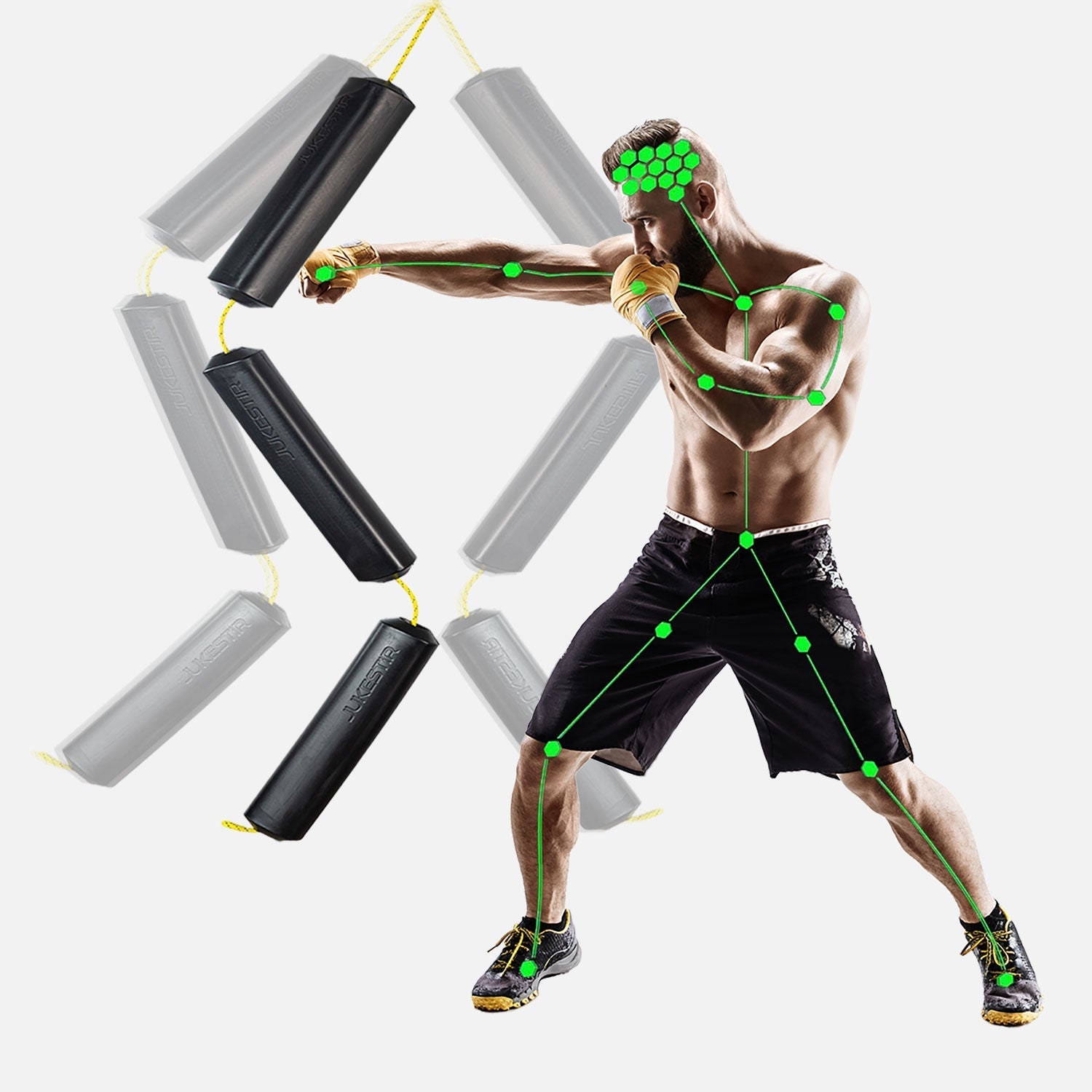
Reaction-based training offers a practical way to strengthen this connection by engaging both cognitive and physical systems at the same time.
What Is the Mind Muscle Connection?
The mind muscle connection refers to how effectively the brain communicates with the muscles during movement. It involves:
-
Sensory input, such as what you see or feel
-
Neural processing, including decision-making and timing
-
Motor output, which is the movement itself
When this loop works efficiently, movements feel smooth, controlled, and reactive. When it weakens, movements can feel delayed, uncoordinated, or hesitant.
Why the Mind Muscle Connection Weakens Over Time
Several factors can reduce cognitive motor integration:
-
Repetitive, automatic movement
-
Sedentary habits
-
Aging-related neural changes
-
Injury or long periods of inactivity
Many traditional exercise routines train muscles but not awareness. Over time, the body may get stronger while responsiveness and coordination fall behind.
The Limits of Traditional Training Approaches
Strength training, cardio, and flexibility exercises are valuable, but they often operate on autopilot. Once a movement becomes predictable, the brain’s active involvement decreases.
This can lead to:
-
Reduced reaction speed
-
Poor movement adaptability
-
Lower situational awareness
For real-world movement, the brain must stay engaged.
Why Reaction-Based Training Builds Cognitive Motor Integration
Reaction-based training requires the brain and body to work together in real time. The brain must:
-
Detect a stimulus
-
Interpret what it means
-
Choose a response
-
Execute movement
This continuous loop strengthens neural pathways responsible for coordination, timing, and awareness.
Unlike repetitive drills, reaction-based movement stays dynamic and unpredictable, keeping the mind fully involved.
How Jukestir Enhances the Mind Muscle Connection
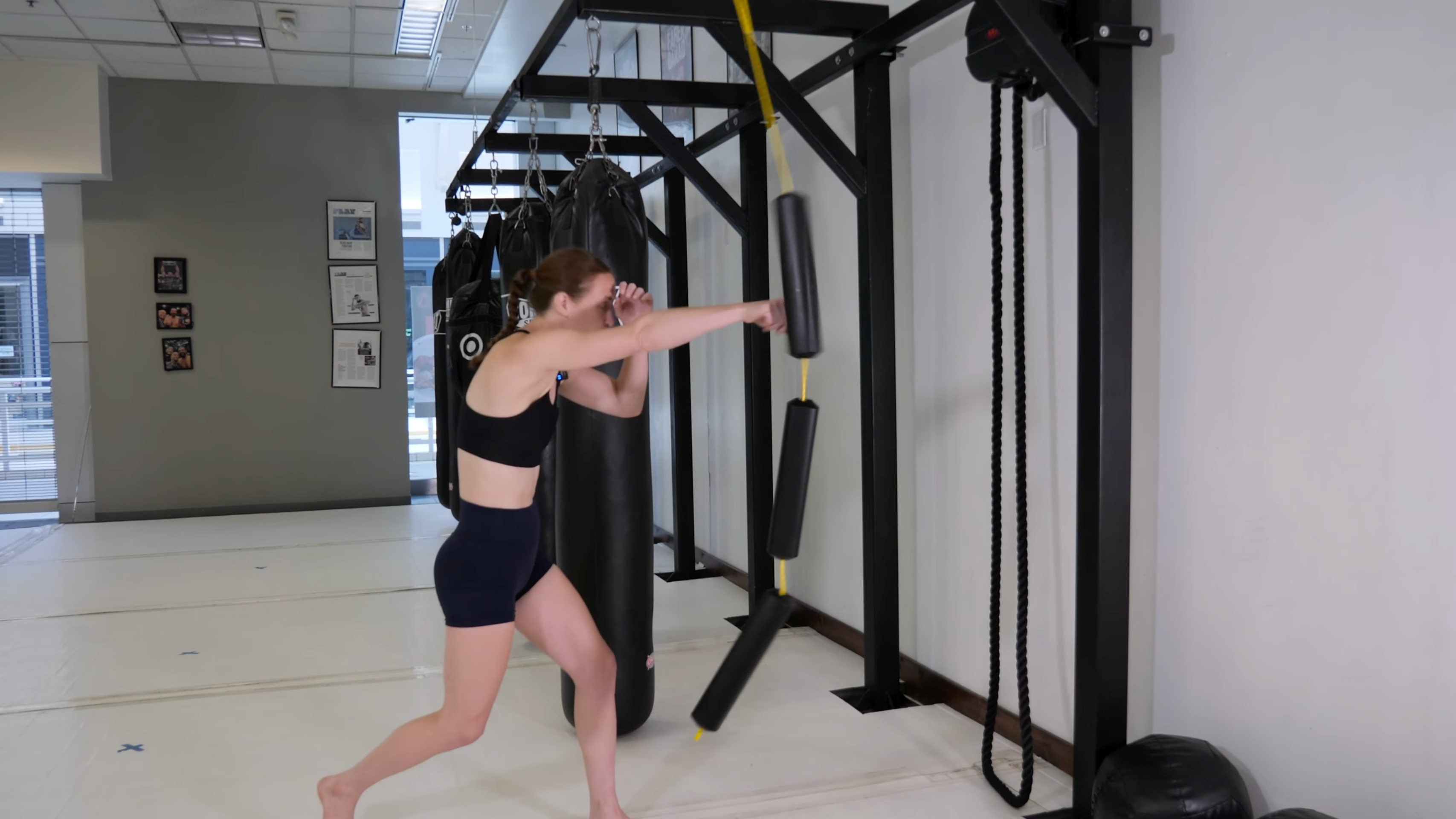
Jukestir uses light-based cues to prompt immediate physical responses. This makes it an effective tool for improving how the brain and body communicate.
Key Benefits
1. Improves Reaction Speed
Faster processing leads to quicker, more confident movement.
2. Enhances Body Awareness
Users become more aware of where their body is in space.
3. Encourages Intentional Movement
Each response requires attention, reducing mindless motion.
4. Supports Neuroplasticity
Consistent use reinforces neural pathways tied to movement control.
5. Adaptable for All Levels
Beginners and advanced users can train at appropriate intensities.
Practical Use Cases
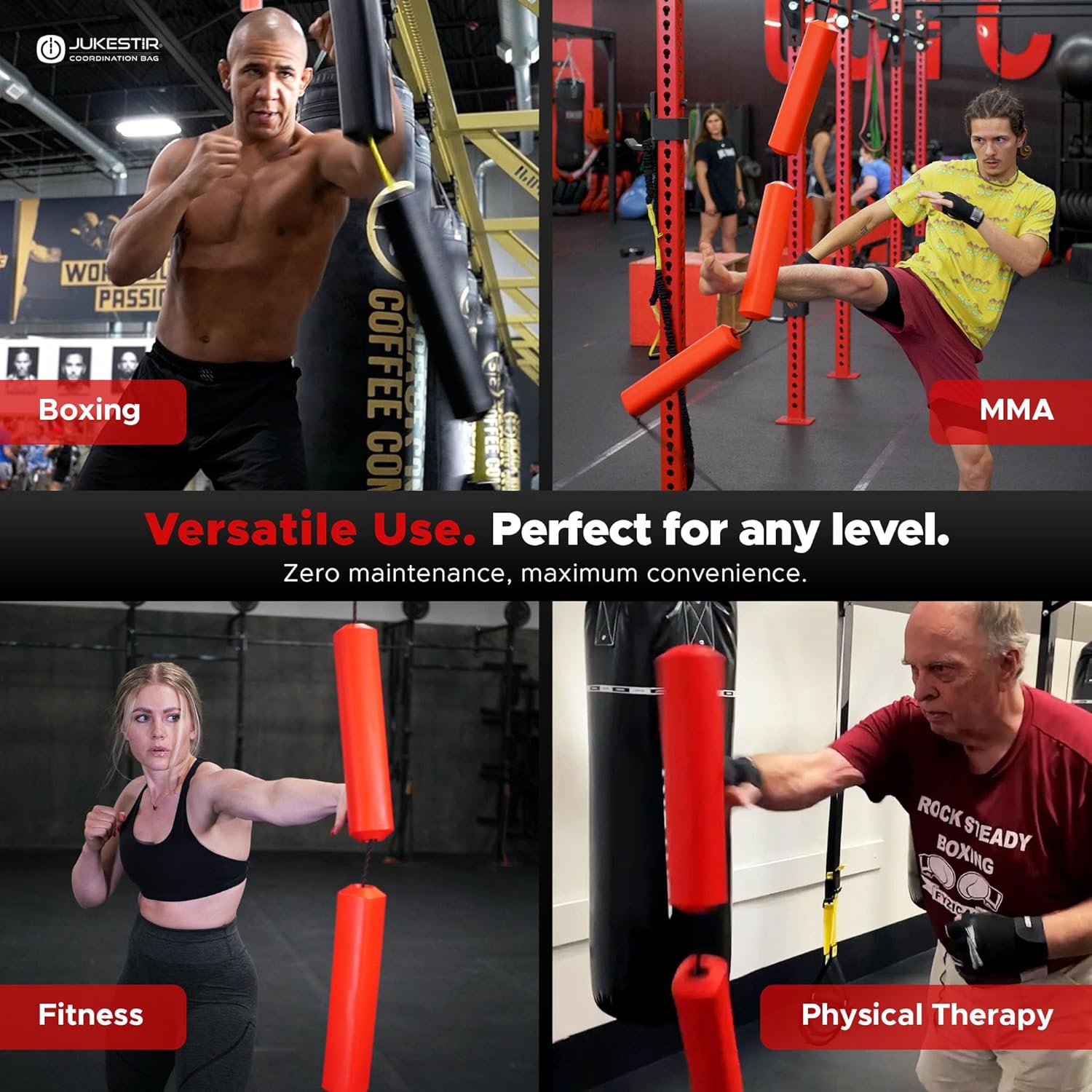
Athletic Performance
Athletes use reaction training to improve timing, coordination, and situational awareness.
Physical Therapy and Rehab
Controlled reaction-based movement supports recovery and functional retraining.
Daily Movement Confidence
Improved awareness helps reduce missteps and hesitation in everyday activities.
Skill-Based Training
Martial artists, dancers, and coaches benefit from sharper cognitive motor integration.
Why Awareness Matters More Than Strength Alone
Strength without awareness can increase injury risk. Awareness without strength limits performance. The mind muscle connection bridges both.
By training the brain and body together, reaction-based movement supports:
-
Efficient movement patterns
-
Safer responses under stress
-
Greater adaptability
These qualities matter not just for sports, but for everyday life.
Making Training More Purposeful
When movement requires attention, training becomes more meaningful. Reaction-based tools turn exercise into an interactive experience that keeps users mentally engaged.
This engagement leads to:
-
Better consistency
-
Faster skill development
-
Increased enjoyment
If you are looking to improve reflexes, coordination, and movement awareness, strengthening the mind muscle connection is essential.
Explore how Jukestir supports cognitive motor integration through reaction-based training.

Leave a comment
All comments are moderated before being published.
This site is protected by hCaptcha and the hCaptcha Privacy Policy and Terms of Service apply.