
In this episode of the Zealous Podcast, host Rocky Snyder sits down with Brad Evans, middle school teacher turned inventor, to explore the story behind the Jukestir, a unique, fast-moving training ...

In this episode of Wellness Rebranded, Brad Evans, the creator of Jukestir, joins the conversation to share how a simple idea born in his garage evolved into a powerful nervous system training tool...

How Jukestir Is Changing Neurological Rehabilitation for Parkinson’s, Stroke, and Brain Health
In this episode of A Healthy Point of View, host Sam Tejada sits down with Brad Evans, a high school social studies teacher who unexpectedly became the inventor of Jukestir, a reaction-based traini...

Parkinson’s Movement Support: Building Stability, Rhythm, and Confidence with Jukestir
Parkinson’s disease affects movement in ways that can gradually impact independence, safety, and confidence. Tremors, stiffness, slowed movement, and balance challenges can make everyday tasks feel...

Why Balance Training Becomes More Important With Age As we age, balance naturally changes. Muscle strength can decline, reaction time may slow, and the body’s ability to sense position in space bec...

Coaches Are Using Reaction-Based Training to Stand Out and Gain a Competitive Edge
In a Crowded Market, Coaches Need More Than Great Programming The fitness industry is more competitive than ever. Clients have endless choices. Strength programs, bootcamps, online coaching, and bo...

Coaches Are Using Reaction-Based Training to Improve Athletic Performance
Modern Performance Training Requires More Than Physical Output Strength, speed, and conditioning remain foundational to athletic performance. However, competitive sport demands more than physical c...
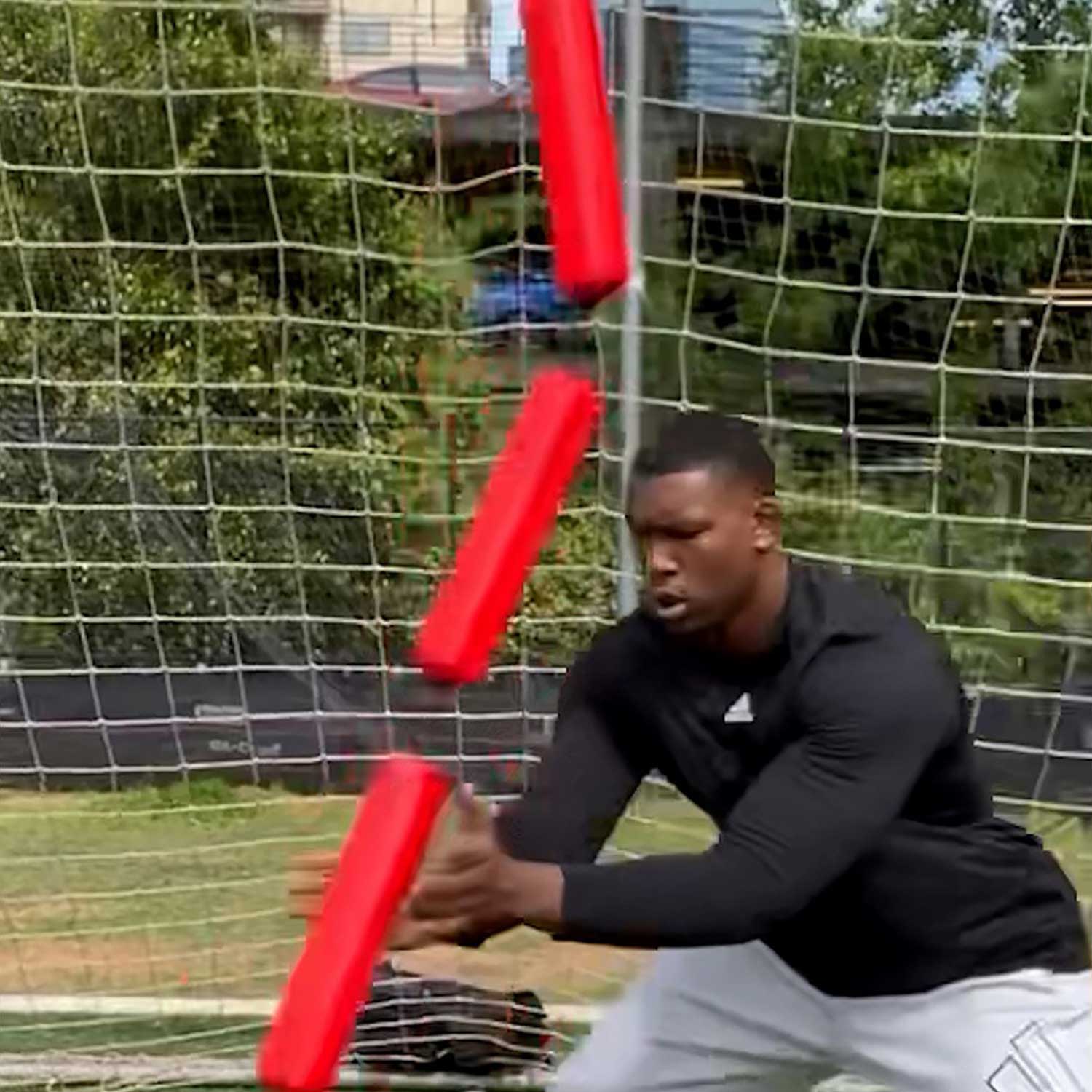
How Jukestir Supports Athletic Performance Training
Athletic Performance Is More Than Strength and Speed When people think about improving athletic performance, they often focus on strength, endurance, or speed. While those components matter, high l...
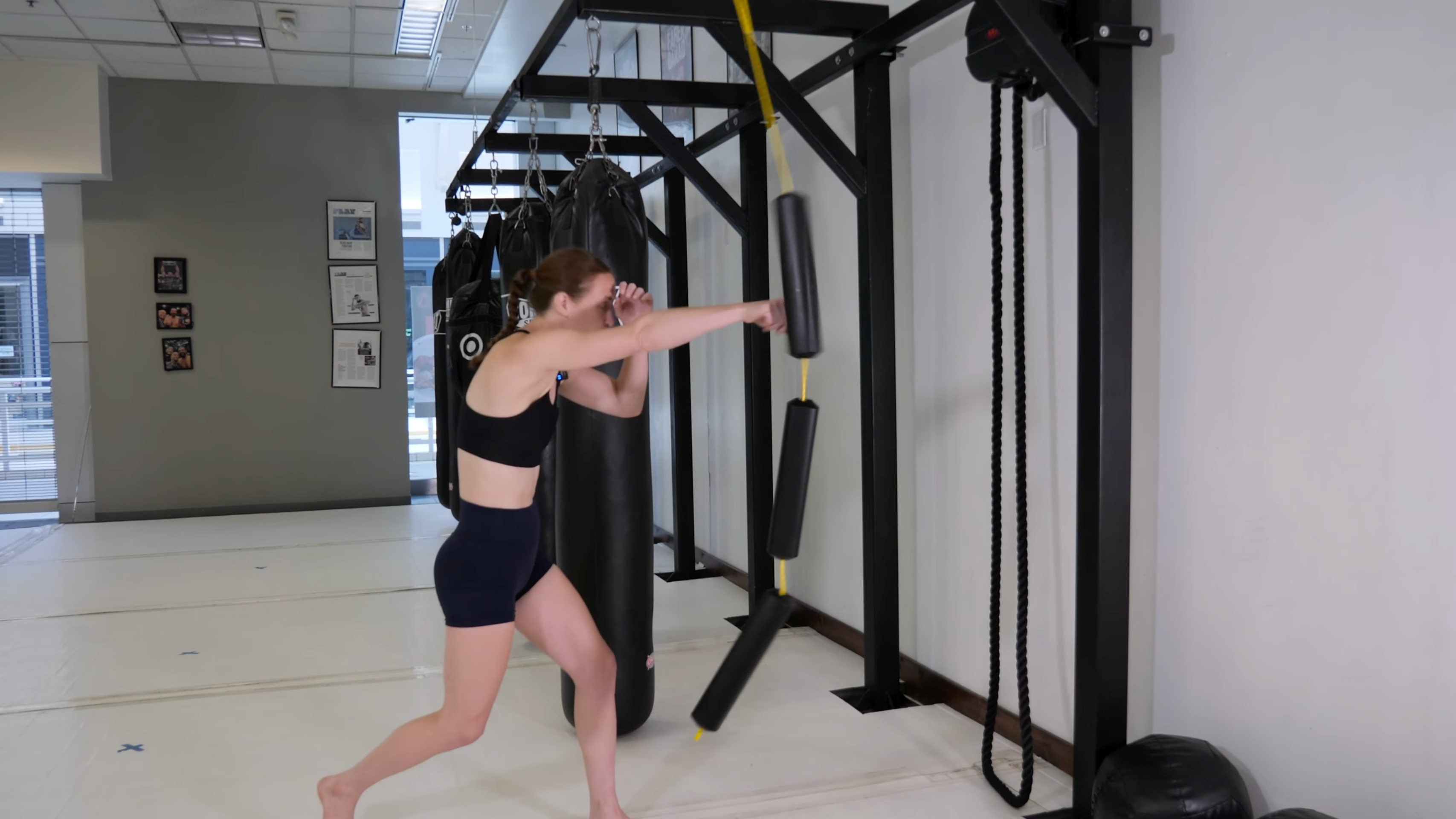
Reaction-Based Training Drives High Calorie Burn Rates and Smarter Fitness Results
Burning Calories Is Not Just About Going Harder Many people associate high calorie burn workouts with long cardio sessions or heavy lifting. While those methods can be effective, they are not the o...
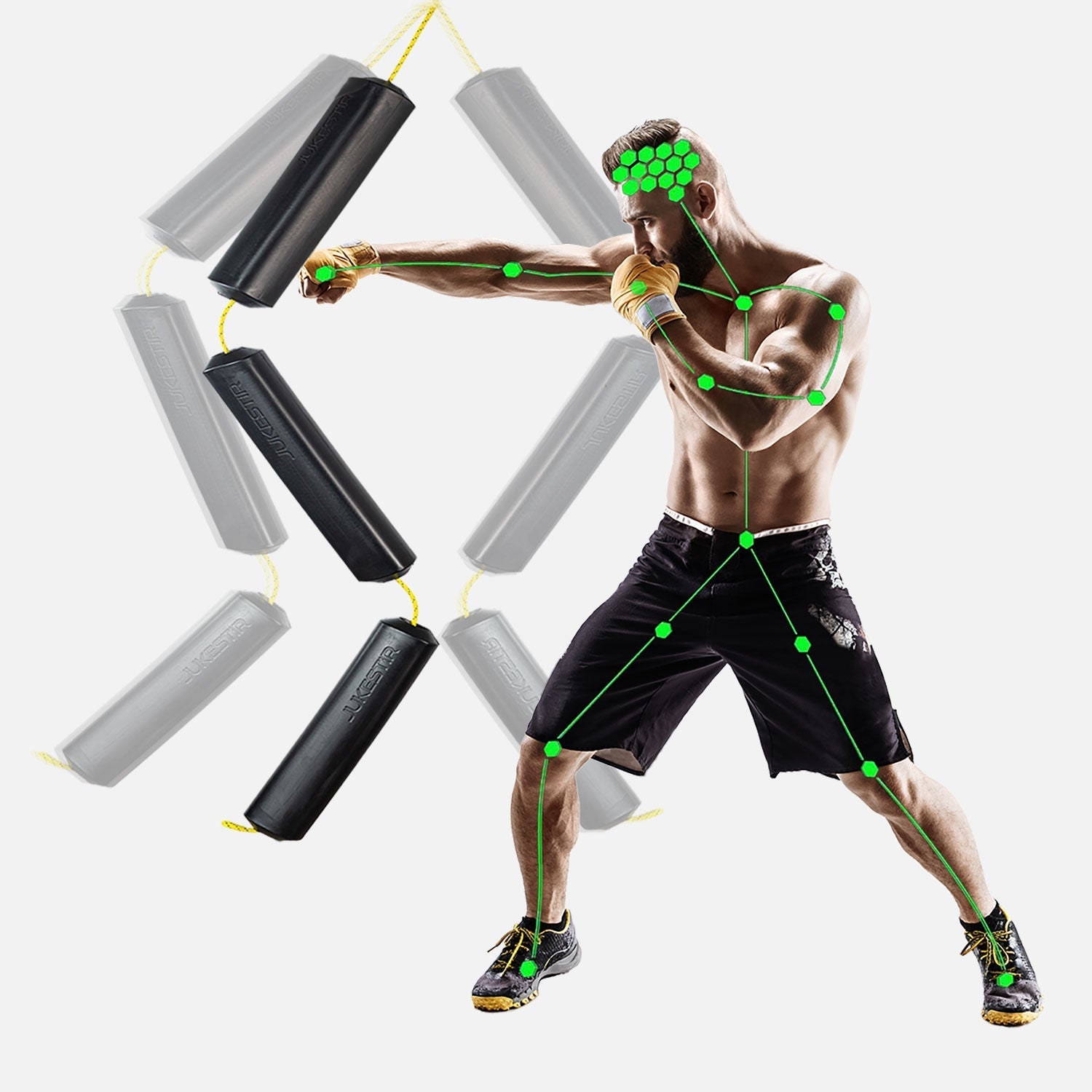
Strengthening the Mind Muscle Connection Through Reaction-Based Training
Movement Starts in the Brain Most people think of movement as a physical skill, but every movement begins in the brain. Before a muscle contracts, the nervous system has already processed informati...
Why Wellness Focused Gifts Are the Most Thoughtful Choice
Why the Best Gifts Go Beyond Stuff Buying a gift for someone you care about can feel surprisingly difficult. Many people already have what they need, and more things often add clutter rather than m...
The Neuroscience of Unpredictability: Why Your Brain Needs More Than Sensory Stimulation
Nike's New Promise: Mind-Altering Shoes? Athletic footwear companies are making bold claims these days. Nike's latest shoes promise to "activate the brain" and "improve concentration" through foot ...
How Reaction-Based Training Enhances Community Center and YMCA Programs
Why Community Programs Need Engaging Movement Community centers and YMCAs serve a wide range of people—children, seniors, athletes, beginners, and everyone in between. Creating programs that are in...
How Reaction-Based Training Supports Focus and Attention in ADHD
Why Focus Feels Different With ADHD For people with ADHD, focus isn’t about effort—it’s about engagement. Many children and adults with ADHD can concentrate deeply on certain activities, yet strugg...

How Reaction-Based Training Helps Seniors Stay Active, Confident, and Independent
Staying Independent Matters More Than Ever Aging brings changes, but slowing down doesn’t have to be one of them. For many older adults, the real concern isn’t strength or endurance; it’s losing co...
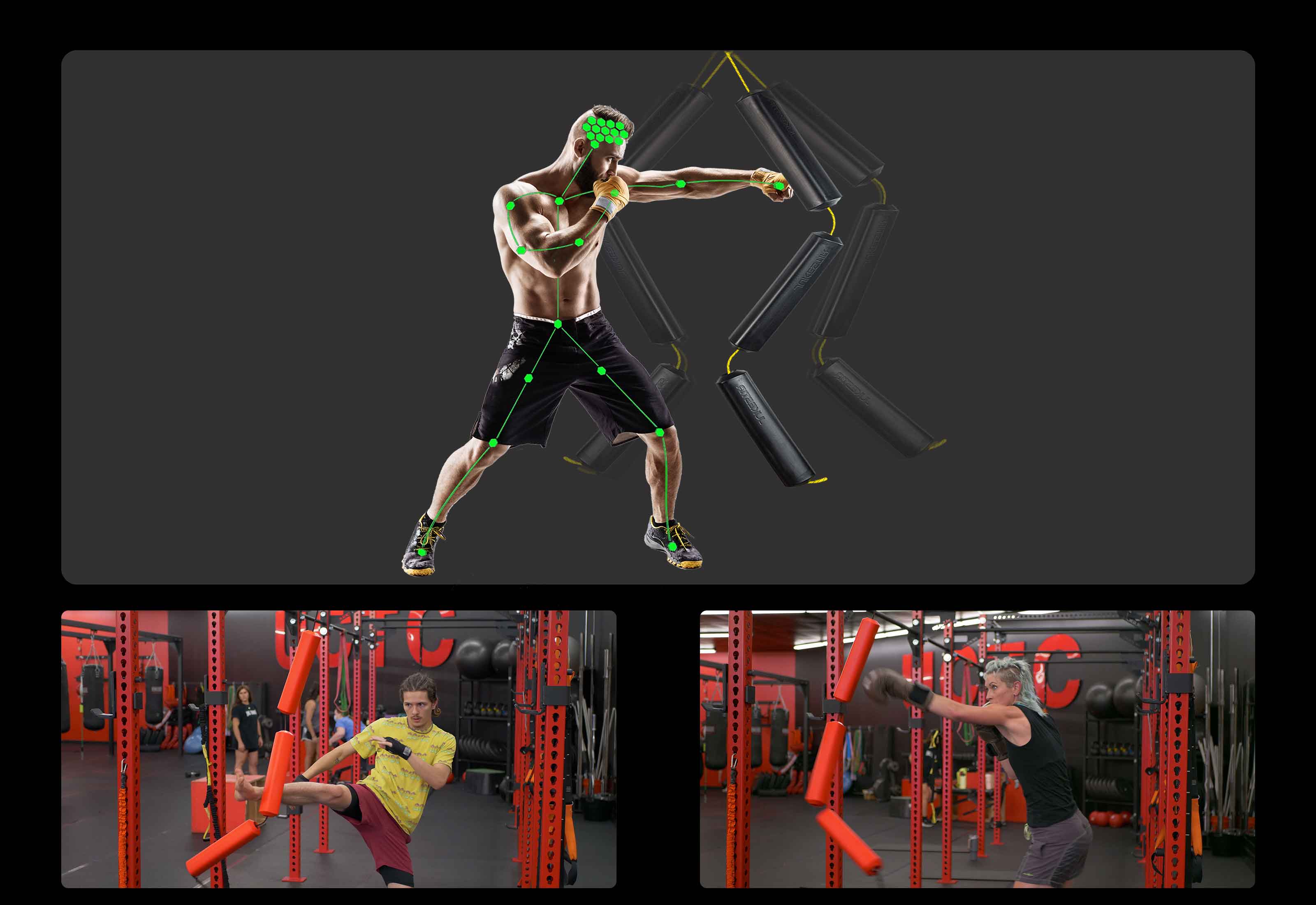
How Reaction-Based Training Supports Better Outcomes in Physical Therapy
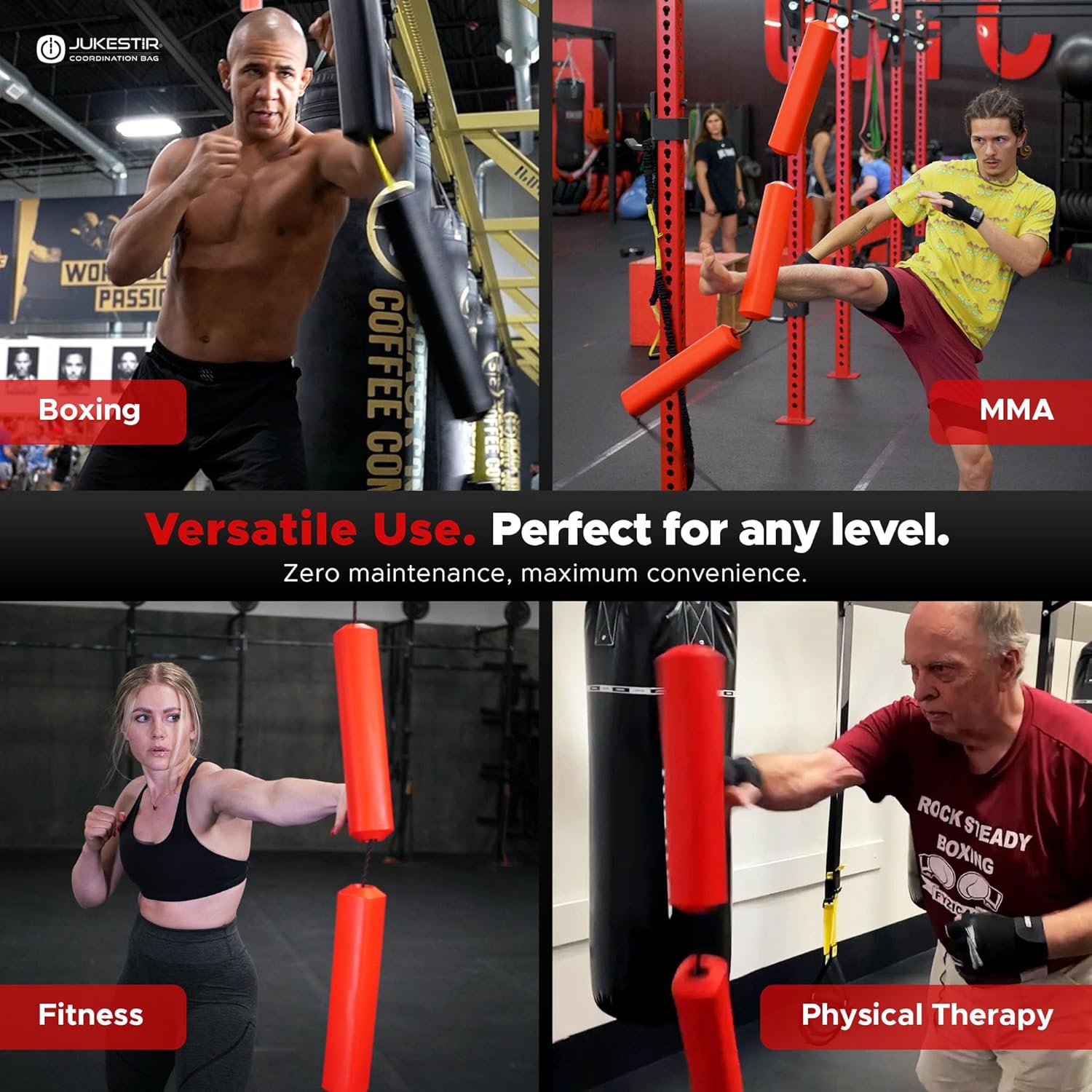
Why Physical Therapy Progress Often Slows Physical therapy plays a critical role in recovery—from injury rehabilitation to neurological conditions and long-term mobility support. Yet many patients ...
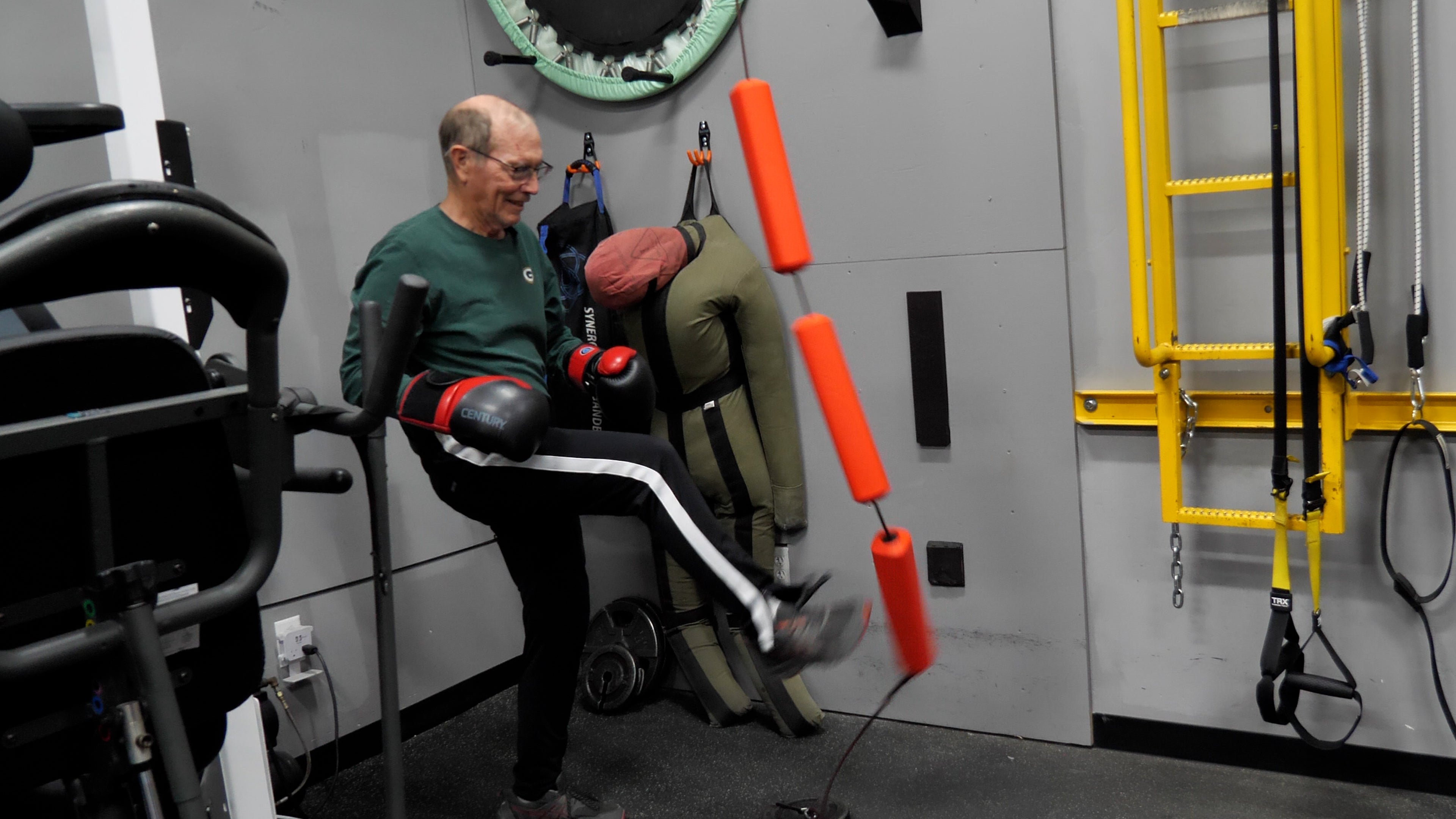
How Reaction-Based Movement Enhances Physical Therapy Outcomes
Physical therapy is most effective when patients are engaged—not just physically, but mentally. While strength and mobility are critical, long-term recovery often depends on how well the brain and ...
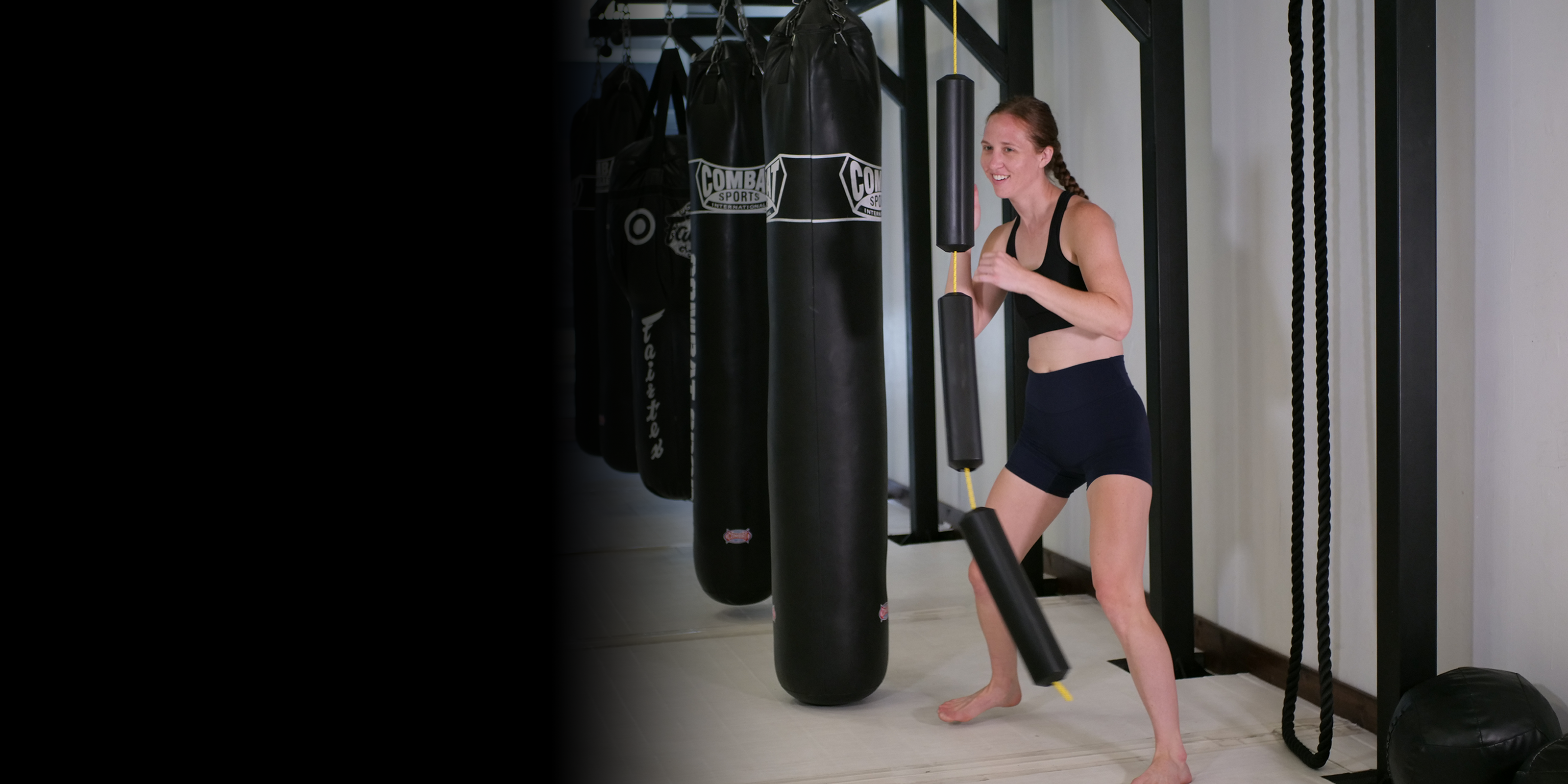
How Reaction Training Improves Footwork in Martial Arts
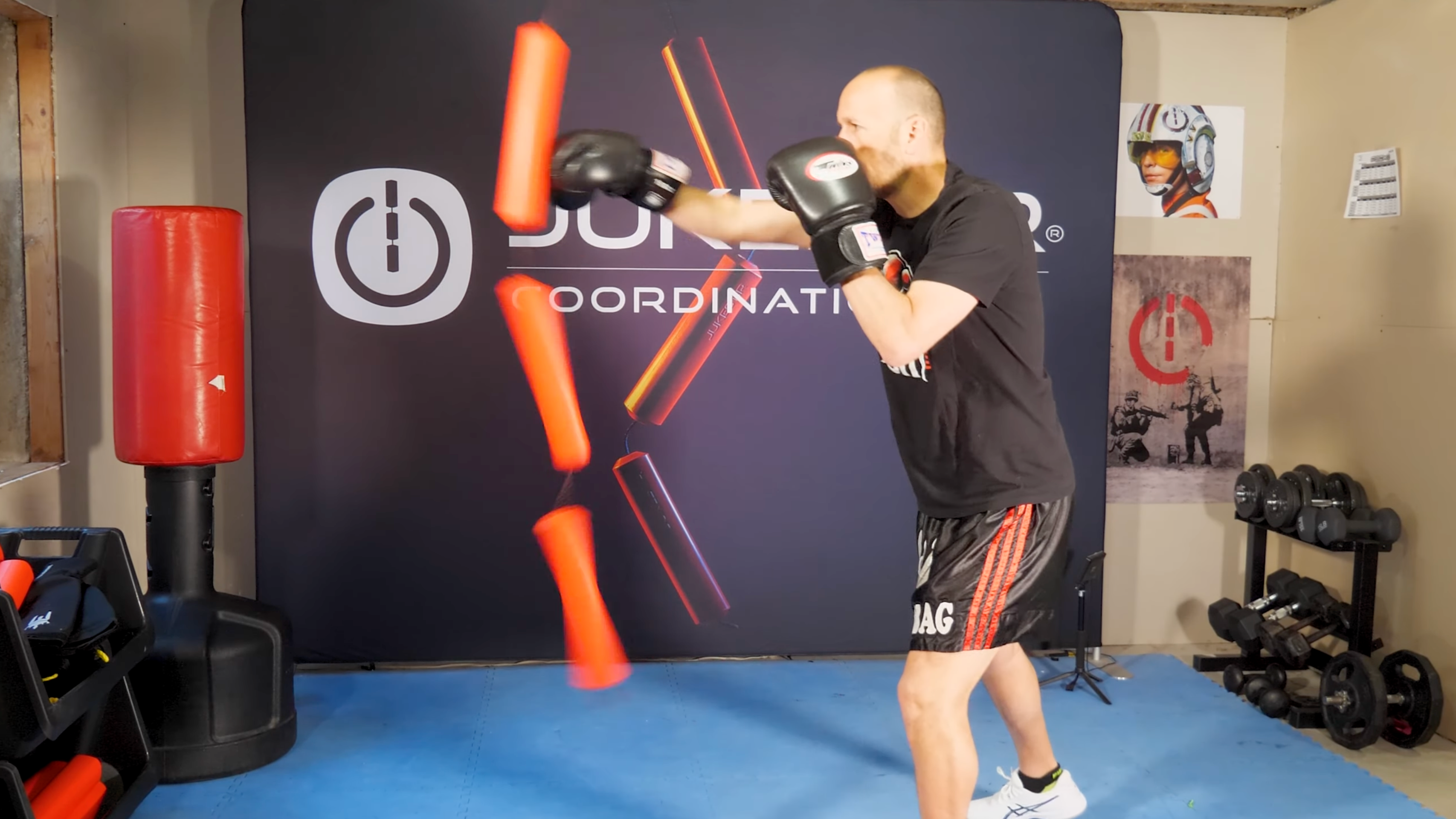
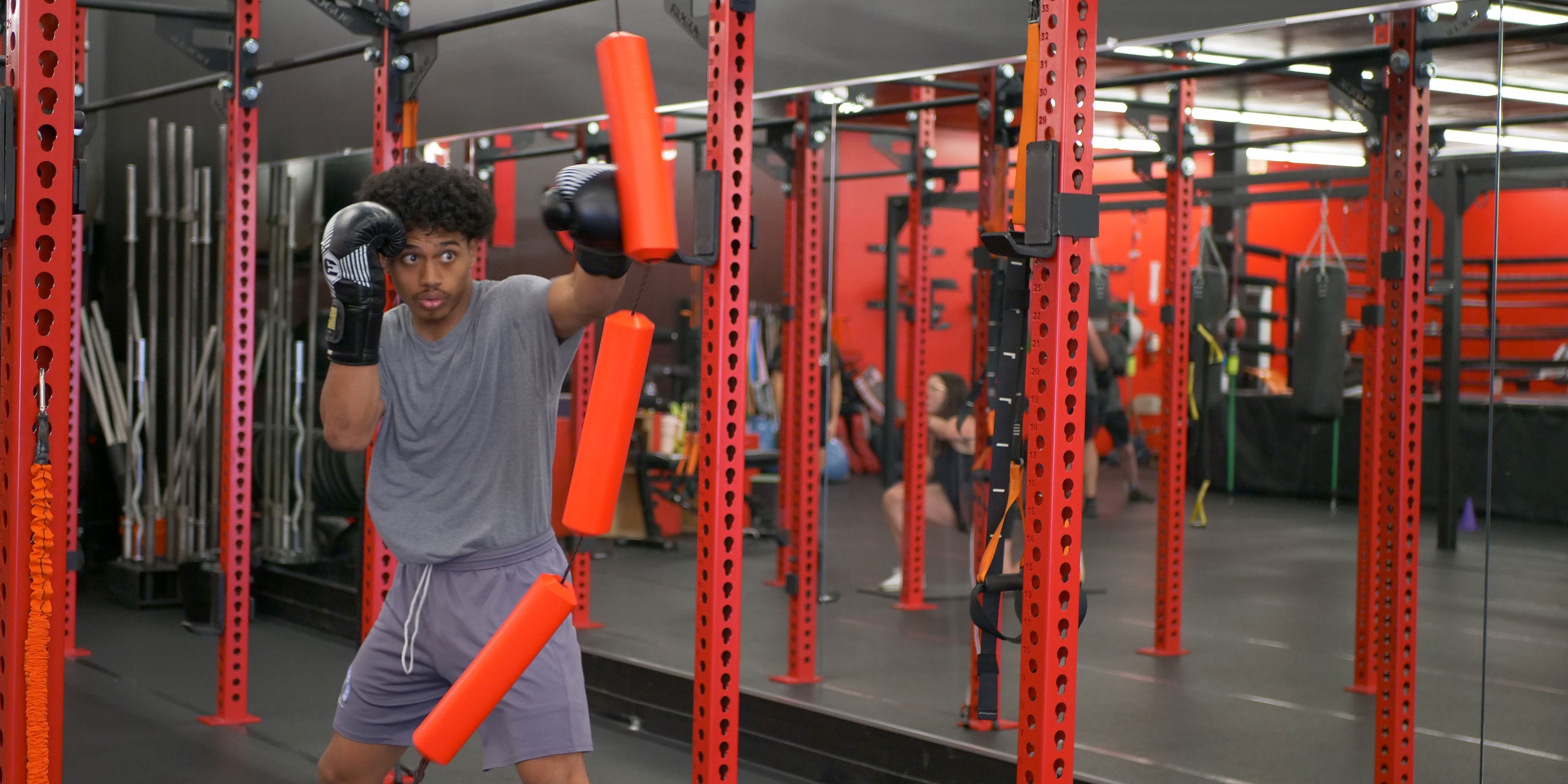
In martial arts, power means very little without positioning. Whether it’s boxing, kickboxing, MMA, karate, or taekwondo, footwork determines everything, distance control, timing, balance, and the ...
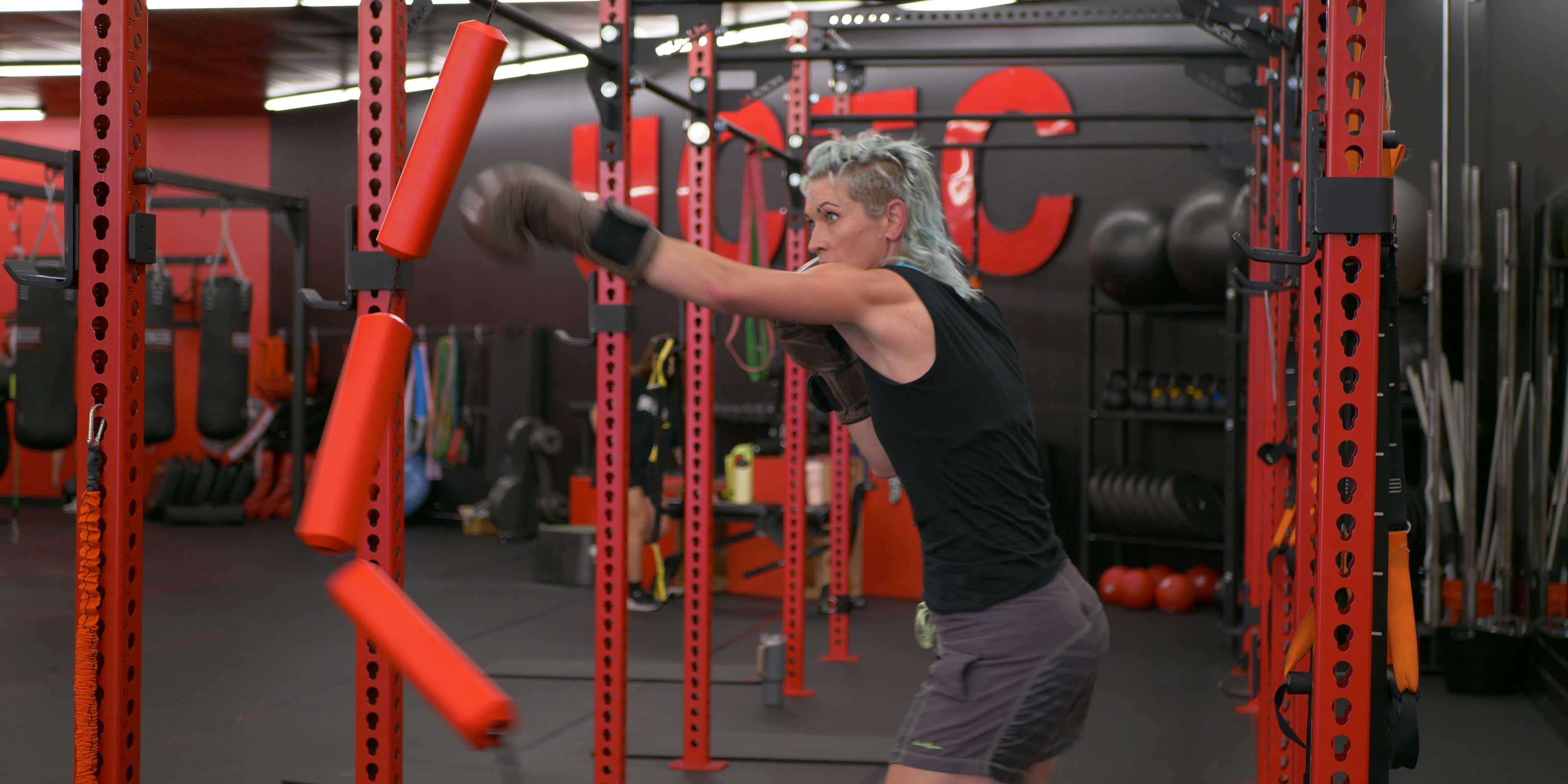
How Reaction-Based Training Supports Focus Without Screens
Why “Just Focus” Has Never Worked If you or someone you care about has ADHD, you’ve probably heard the same advice over and over: try harder to focus. But ADHD isn’t a lack of effort, it’s a differ...

Why Reaction Training Is a Thoughtful Gift for Someone You Care About
Buying a gift for someone you care about isn’t always easy—especially when you want it to mean something. Maybe they already “have everything.” Maybe they’re recovering from an injury, getting olde...