
Why Balance Training Becomes More Important With Age
As we age, balance naturally changes. Muscle strength can decline, reaction time may slow, and the body’s ability to sense position in space becomes less precise. These changes increase the risk of falls, which are one of the leading causes of injury among older adults.
The good news is that balance is not fixed. It can be trained and improved at nearly any age.
Targeted balance training helps older adults:
-
Maintain independence
-
Move with greater confidence
-
Reduce fall risk
-
Stay active longer
A well designed balance program does more than strengthen muscles. It improves how the brain and body communicate during movement.
What Causes Balance Decline in Seniors
Balance depends on three main systems working together:
-
Vision
-
Inner ear function
-
Proprioception, which is the body’s awareness of position
With age, these systems can become less efficient. Reaction time slows. Muscles respond more gradually. Subtle changes in terrain become harder to detect.
In daily life, this may look like:
-
Hesitation when stepping off curbs
-
Difficulty turning quickly
-
Feeling unsteady in crowded spaces
-
Slower recovery after a small misstep
Balance training addresses these challenges by strengthening neuromuscular communication.
Why Traditional Balance Exercises Are Helpful But Limited
Common balance exercises for seniors include:
-
Standing on one foot
-
Heel to toe walking
-
Seated stability drills
-
Light strength work
These exercises build foundational stability. However, they are often predictable and slow paced.
Real world movement is rarely predictable. Trips, slips, and obstacles happen suddenly. To prevent falls, the body must react quickly and correctly.
That is where reaction based balance training becomes valuable.
The Role of Reaction Time in Fall Prevention
Balance is not only about standing still. It is about responding appropriately when stability is challenged.
When a person begins to lose balance, the brain must:
-
Detect the change
-
Process what is happening
-
Activate the correct muscles
-
Adjust posture quickly
If this response is delayed, the risk of falling increases.
Improving reaction time supports safer recovery from unexpected movement.
How Reaction-Based Training Supports Senior Balance
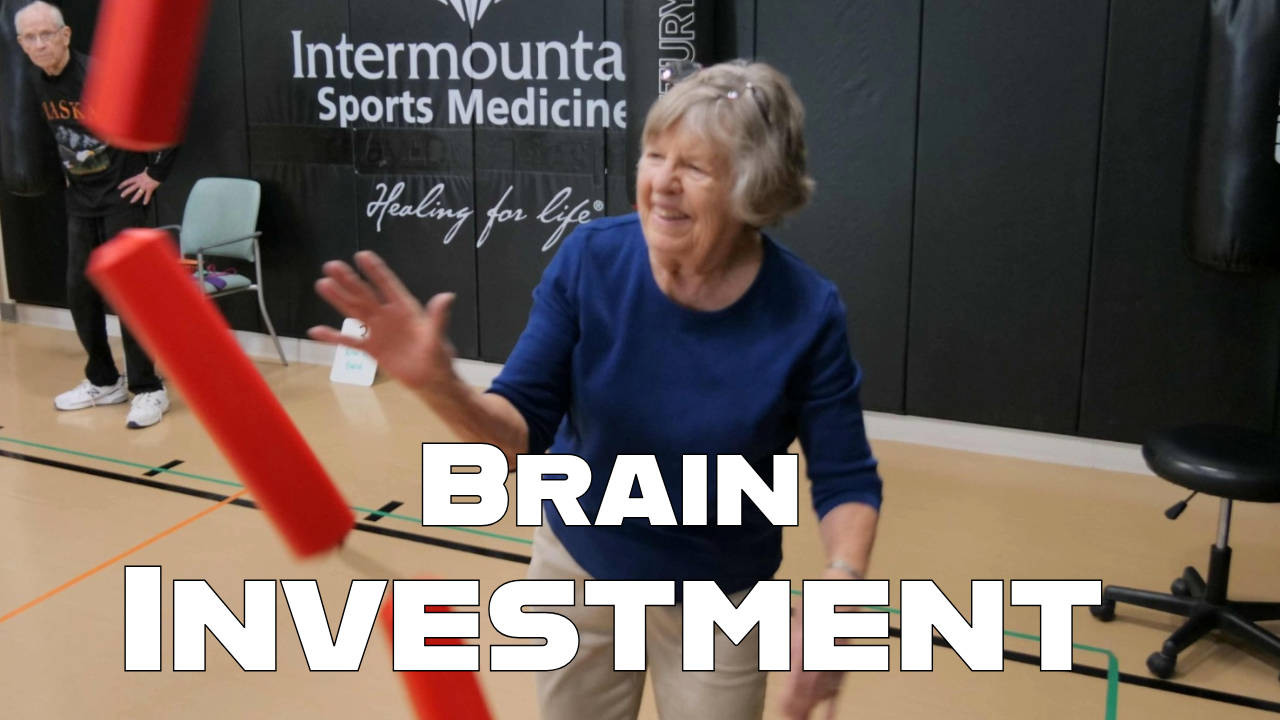
Reaction-based training combines visual stimulus with intentional movement. Instead of performing a fixed exercise, the individual responds to cues in real time.
This type of training can:
-
Improve response speed
-
Enhance coordination
-
Strengthen stabilizing muscles
-
Increase body awareness
-
Build confidence during movement
Because the brain stays engaged, both cognitive and physical systems are trained simultaneously.
How Jukestir Can Be Used for Balance Training
Jukestir is a light-based reaction training system that can be adapted for seniors at various ability levels. It is not a medical device and should be used under appropriate supervision when necessary, especially for individuals with mobility concerns.
When used thoughtfully, it can support balance and stability training in a safe environment.
Gentle Standing Reaction Drills
Lights can be positioned at reachable heights, encouraging:
-
Controlled weight shifts
-
Light stepping patterns
-
Reaching movements
-
Side to side transitions
These movements challenge balance while remaining manageable.
Seated Reaction Exercises
For individuals with limited mobility, reaction drills can be performed while seated to improve:
-
Trunk stability
-
Coordination
-
Upper body responsiveness
This builds foundational neuromuscular control before progressing to standing work.
Progressive Stability Training
As confidence improves, movements can include:
-
Small directional steps
-
Controlled turns
-
Slight variations in reach height
The unpredictability of visual cues encourages continuous awareness.
Psychological Benefits of Balance Training
Fear of falling can sometimes limit activity more than physical limitations themselves. When older adults feel uncertain about their balance, they may avoid movement. Over time, this avoidance can lead to further strength and coordination decline.
Engaging balance training can:
-
Restore confidence
-
Reduce fear based hesitation
-
Encourage more daily activity
-
Promote independence
Interactive movement often feels less intimidating than rigid drills.
Supporting Active Aging
Active aging is not about extreme exercise. It is about maintaining the ability to move safely and comfortably through daily life.
Balance training supports:
-
Walking stability
-
Safe turning and pivoting
-
Navigating uneven surfaces
-
Climbing stairs
-
Carrying objects while moving
When balance improves, quality of life often improves alongside it.
Integrating Balance Training Into a Weekly Routine
For seniors, consistency matters more than intensity. Short, controlled sessions performed several times per week can support gradual improvement.
Important considerations include:
-
Stable footwear
-
Clear floor space
-
Supervision when needed
-
Starting at an appropriate difficulty level
Anyone with medical conditions or recent injuries should consult a healthcare professional before beginning new exercise routines.
A Smarter Approach to Fall Prevention
Fall prevention is not just about strengthening legs. It is about improving how quickly and effectively the body responds to change.
By combining awareness, reaction, and controlled movement, reaction-based training provides a dynamic way to support stability.
When older adults feel steady and confident, they are more likely to stay active, connected, and independent.


Leave a comment
All comments are moderated before being published.
This site is protected by hCaptcha and the hCaptcha Privacy Policy and Terms of Service apply.