
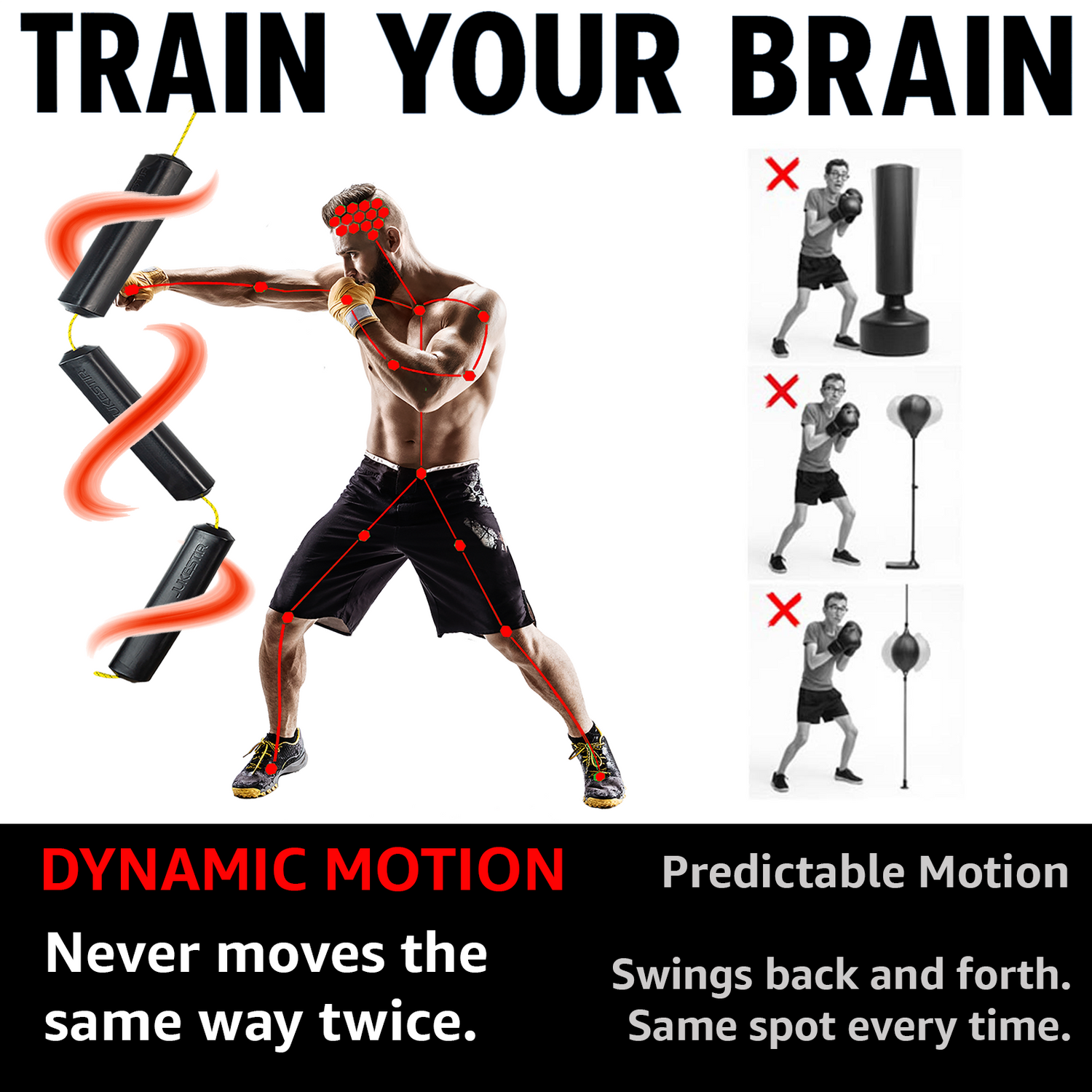
Parkinson’s disease affects movement in ways that can gradually impact independence, safety, and confidence. Tremors, stiffness, slowed movement, and balance challenges can make everyday tasks feel more demanding. While medication and clinical care are central to treatment, movement-based support is one of the most powerful complementary strategies available.
Targeted, engaging movement practice helps reinforce coordination, improve posture, and maintain mobility. The Jukestir provides a structured, interactive platform that encourages purposeful footwork, weight shifting, and reaction training in a safe and adaptable format. When used consistently, it can become a valuable tool in supporting individuals living with Parkinson’s as they work to preserve function and quality of life.
Why Movement Training Matters in Parkinson’s
Parkinson’s affects the nervous system’s ability to regulate smooth, coordinated movement. Common challenges include:
-
Bradykinesia, or slowed movement
-
Rigidity and muscle stiffness
-
Reduced arm swing while walking
-
Shuffling gait
-
Difficulty initiating movement
-
Postural instability
Research consistently shows that regular, task-specific exercise can help slow functional decline and improve mobility outcomes. The key is not just moving, but moving with intention, repetition, and feedback.
The Jukestir supports these goals by encouraging:
-
Deliberate foot placement
-
Controlled weight transfer
-
Rhythm-based stepping
-
Cognitive engagement through reaction cues
This combination supports both motor and cognitive components of movement, which are often interconnected in Parkinson’s.
Supporting Gait and Footwork
One of the most noticeable changes in Parkinson’s is altered gait mechanics. Steps may become shorter and less controlled, and freezing episodes can occur during transitions.
Structured stepping drills using the Jukestir can help reinforce:
-
Larger, more deliberate steps
-
Heel-to-toe foot placement
-
Lateral movement confidence
-
Forward and backward weight shifting
Because the system provides visual and interactive prompts, users are encouraged to respond with purposeful steps rather than passive motion. This type of cue-based training is particularly beneficial for individuals with Parkinson’s, as external cues can help bypass some of the neurological movement initiation challenges.
Practicing controlled stepping patterns improves spatial awareness and reduces the tendency toward shuffling. Over time, this can translate into more confident walking in daily life.
Improving Balance and Postural Stability
Postural instability is a major fall risk factor in Parkinson’s. Reduced trunk rotation, forward head posture, and limited ankle mobility can compromise balance reactions.
The Jukestir allows for progressive balance training through:
-
Controlled single-leg weight shifts
-
Side-to-side stepping patterns
-
Diagonal movement drills
-
Variable speed reaction exercises
By challenging the body in multiple planes of motion, users strengthen stabilizing muscles in the hips, core, and lower legs. These muscles are critical for maintaining upright posture and reacting to unexpected changes in terrain or direction.
Importantly, the platform can be adjusted to match the individual’s ability level. Early-stage participants might focus on slow, deliberate steps, while more advanced users can incorporate quicker reaction patterns to improve dynamic stability.
Rhythm and Timing for Movement Fluidity
Rhythmic cueing has been widely studied in Parkinson’s rehabilitation. Auditory and visual cues can help regulate stride length and cadence. When movements are paired with rhythm or timed prompts, coordination often improves.
The Jukestir integrates timing and reaction elements that encourage consistent pacing. This type of structured repetition helps:
-
Reduce movement hesitation
-
Improve step timing
-
Enhance coordination between upper and lower body
-
Promote smoother transitions between steps
Over time, practicing rhythmic stepping can help reduce freezing episodes and improve gait continuity.
Cognitive Engagement and Dual-Task Training
Parkinson’s does not only affect physical movement. Cognitive changes such as slowed processing speed and reduced executive function can also occur.
Dual-task training, which combines movement with cognitive challenges, has been shown to improve functional outcomes. The Jukestir naturally incorporates this concept by requiring users to:
-
Identify visual cues
-
React quickly to prompts
-
Maintain balance while making movement decisions
-
Adjust direction based on changing stimuli
This cognitive-motor integration is essential for real-world scenarios. Walking through a crowded space, stepping off a curb, or navigating obstacles all require attention and decision-making while maintaining balance.
By training both systems together, users build functional resilience that carries over into daily activities.
Enhancing Confidence and Reducing Fear of Falling
Fear of falling can significantly limit activity levels. When individuals reduce movement out of caution, muscle strength and balance decline further, increasing fall risk.
Interactive training builds confidence by providing:
-
Clear structure
-
Immediate feedback
-
Repetitive skill practice
-
A sense of measurable progress
As participants become more comfortable shifting weight, stepping laterally, and reacting to cues, their trust in their body improves. Confidence is a critical but often overlooked component of rehabilitation.
When individuals feel more capable, they are more likely to remain active, socially engaged, and independent.
Adaptability Across Disease Stages
Parkinson’s is progressive, and exercise programs must evolve accordingly. The Jukestir’s versatility allows it to support users across multiple stages.
In early stages, sessions may emphasize:
-
Agility and quick reaction drills
-
Multi-directional stepping
-
Increased speed challenges
In mid to later stages, the focus may shift toward:
-
Slower controlled movements
-
Stability-based drills
-
Assisted support with supervision
-
Emphasis on safe weight transfer
Because the intensity and complexity can be modified, the platform remains relevant as needs change.
Integration Into Clinical and Home Programs
The Jukestir can be incorporated into:
-
Physical therapy sessions
-
Neurological rehabilitation programs
-
Community movement classes
-
Home-based exercise routines
In clinical settings, therapists can use it to create structured protocols that target specific deficits such as lateral stability or step initiation. At home, individuals can continue practicing prescribed drills to reinforce what they have learned.
Consistency is critical in Parkinson’s management. Having an engaging and interactive system increases the likelihood of long-term adherence.
Supporting Whole-Body Coordination
Although much focus is placed on lower-body movement, Parkinson’s also affects trunk rotation and upper-body coordination. When stepping drills are paired with intentional arm movement and posture cues, the training becomes even more comprehensive.
Encouraging upright posture, active arm swing, and controlled breathing during Jukestir sessions helps reinforce:
-
Trunk stability
-
Spinal alignment
-
Upper-lower body coordination
These components contribute to safer walking mechanics and improved endurance.
A Movement-Centered Approach to Independence
Parkinson’s movement support is about more than exercise. It is about maintaining independence, dignity, and engagement in daily life.
Structured, purposeful movement practice:
-
Strengthens muscles
-
Reinforces neural pathways
-
Improves balance reactions
-
Enhances coordination
-
Builds confidence
The Jukestir provides a dynamic way to practice these essential skills in a format that is adaptable, interactive, and measurable.
While it is not a replacement for medical treatment, it can serve as a powerful complement to therapy and medication. By encouraging consistent, multi-directional, cognitively engaging movement, it supports individuals living with Parkinson’s in maintaining mobility and reclaiming control over their physical capabilities.
Movement remains one of the most effective tools available in Parkinson’s management. When that movement is structured, engaging, and purposeful, its impact can be even greater.


Leave a comment
All comments are moderated before being published.
This site is protected by hCaptcha and the hCaptcha Privacy Policy and Terms of Service apply.