
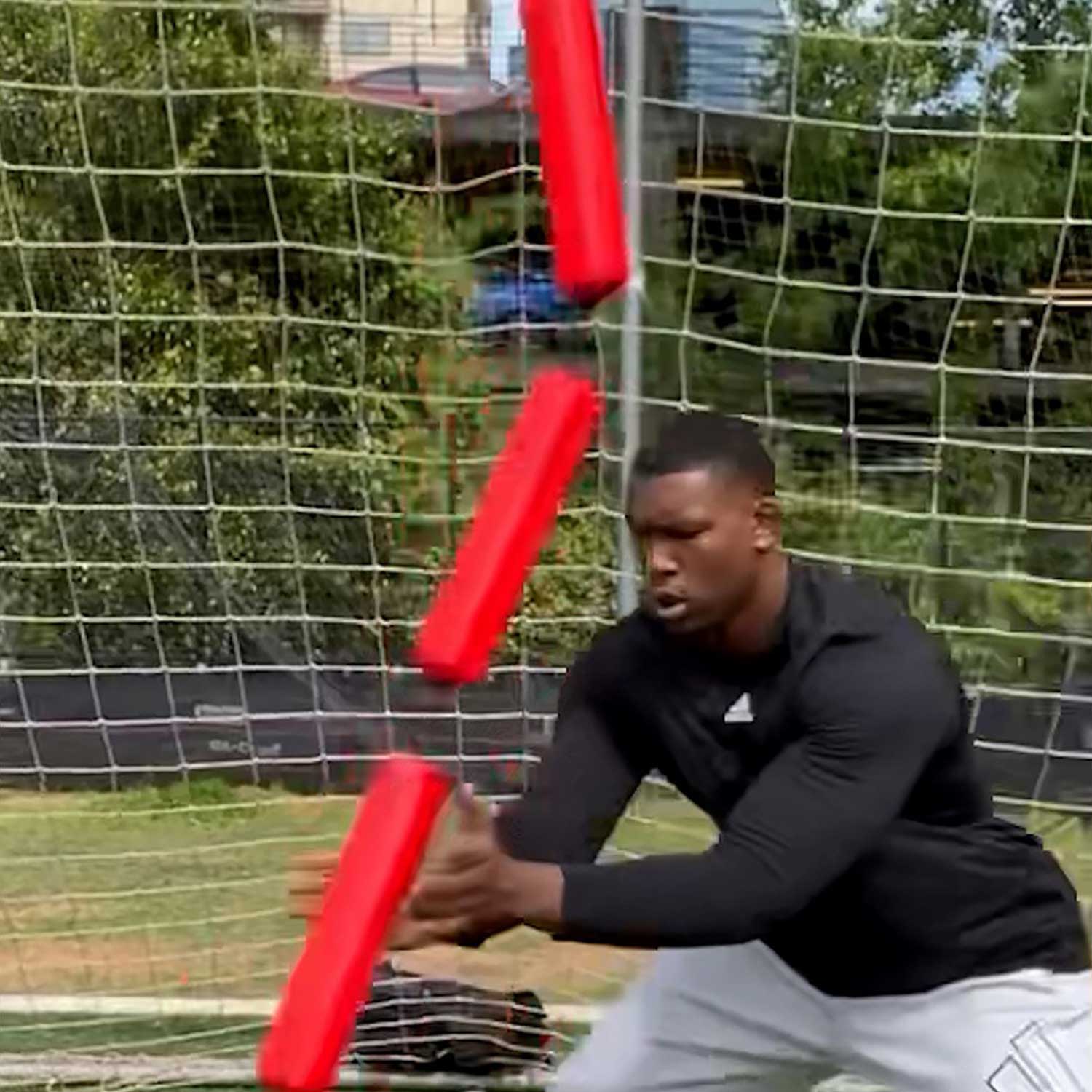
Athletic Performance Is More Than Strength and Speed
When people think about improving athletic performance, they often focus on strength, endurance, or speed. While those components matter, high level performance depends just as much on reaction time, coordination, and decision making.
In competitive sports, fractions of a second determine outcomes. The athlete who processes information faster and reacts more efficiently often has the advantage. That is why modern athletic performance training increasingly includes cognitive motor integration alongside physical conditioning.
Reaction-based training bridges this gap by developing both the body and the brain at the same time.
The Missing Piece in Traditional Training
Most athletic programs emphasize:
-
Strength development
-
Linear speed work
-
Conditioning drills
-
Sport specific repetition
These elements are essential. However, many drills become predictable. Once movement patterns are rehearsed repeatedly, the nervous system adapts and the cognitive challenge decreases.
In real competition, movement is rarely predictable. Athletes must respond to opponents, teammates, ball movement, or environmental changes instantly.
Training should reflect that reality.
Why Reaction Time Is Critical for Sports
Reaction time influences:
-
Defensive positioning
-
First step quickness
-
Change of direction efficiency
-
Hand eye coordination
-
Tactical awareness
Faster processing leads to faster execution. When an athlete sees and responds more quickly, they gain valuable milliseconds that separate good from elite performance.
Reaction training strengthens the neural pathways responsible for this rapid response loop.
What Is Cognitive Motor Training
Cognitive motor training combines mental processing with physical execution. Instead of performing a preplanned drill, the athlete must:
-
Recognize a stimulus
-
Interpret what it means
-
Choose the correct response
-
Execute movement under time pressure
This strengthens communication between the brain and muscles, improving efficiency and adaptability.
Unlike static drills, cognitive motor work keeps the athlete mentally engaged throughout the session.
How Jukestir Supports Athletic Performance Training
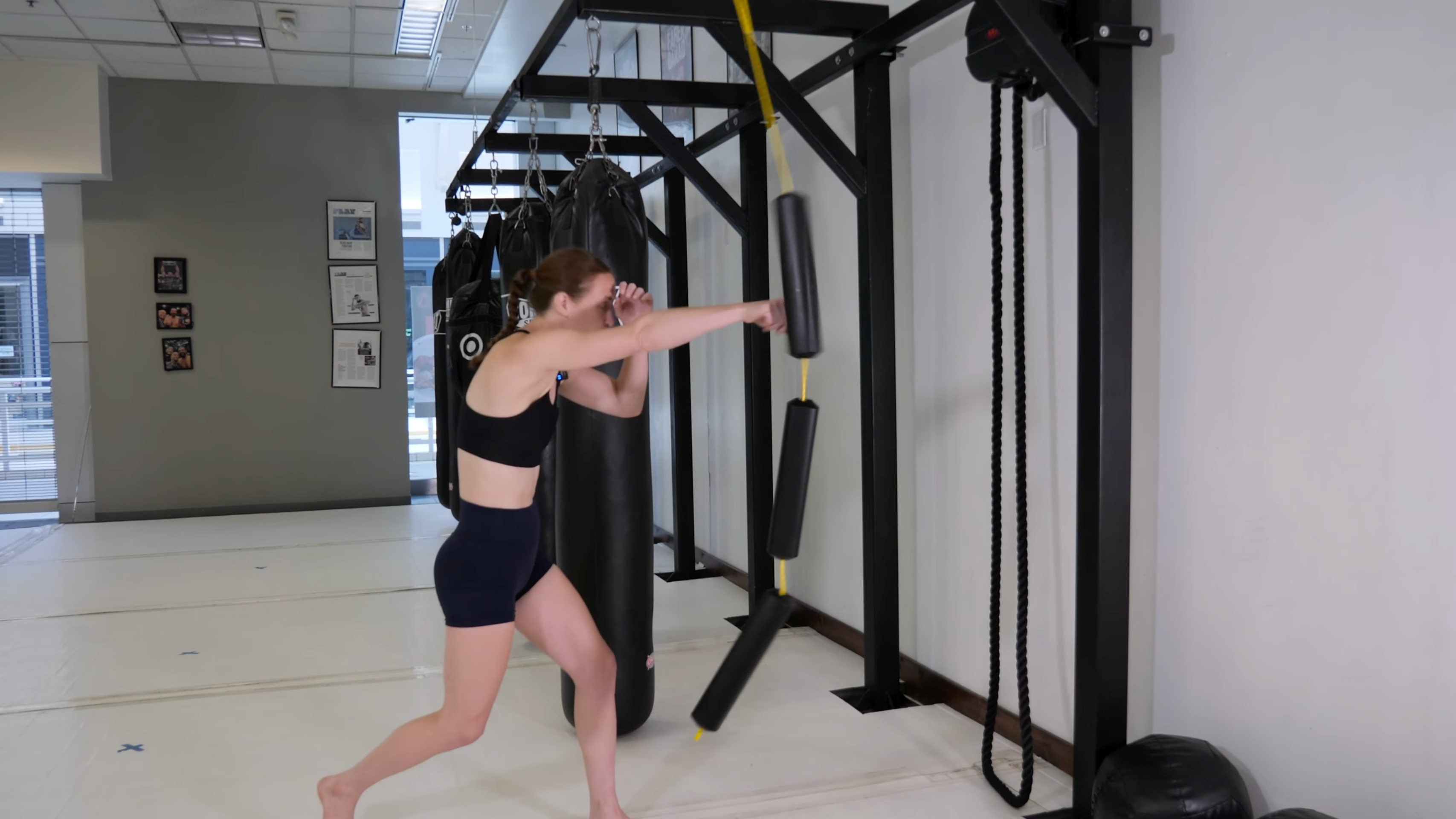
Jukestir is a light-based reaction training system designed to challenge speed, awareness, and coordination in real time. It can be integrated into warmups, conditioning sessions, or skill specific drills.
Key Performance Benefits
1. Faster First Step
Unpredictable cues encourage explosive initiation of movement.
2. Improved Agility and Change of Direction
Athletes react dynamically rather than following a preset path.
3. Enhanced Hand Eye Coordination
Visual stimuli demand quick and accurate responses.
4. Increased Situational Awareness
The brain learns to process visual information under physical stress.
5. Greater Neuromuscular Efficiency
Consistent reaction training sharpens communication between brain and body.
Sport Specific Applications
Basketball
Improve defensive slides, closeouts, and reaction to ball movement.
Soccer
Enhance lateral speed, footwork, and quick directional changes.
Football
Support defensive back reactions and receiver response timing.
Tennis and Racquet Sports
Develop faster court coverage and return anticipation.
Combat Sports
Strengthen reflexes and movement awareness.
Because Jukestir is modular, coaches can position lights to mimic sport specific demands.
Improving Performance Without Overtraining
One challenge in athletic development is balancing intensity with recovery. Reaction-based sessions can be highly demanding neurologically without excessive joint stress.
This makes them valuable:
-
During in season training
-
As part of active recovery days
-
In return to play progressions
Athletes can maintain sharpness without unnecessary volume.
Building Competitive Confidence
Confidence often comes from preparedness. When athletes consistently train reaction speed and awareness, they feel more composed under pressure.
Reaction training supports:
-
Quicker decisions
-
Reduced hesitation
-
Improved adaptability
These qualities are difficult to develop through strength work alone.
Why Engagement Drives Results
Athletes respond best to training that challenges them. Reaction-based systems keep sessions competitive and interactive. Because the stimulus changes constantly, athletes remain focused throughout.
This engagement:
-
Increases effort
-
Improves consistency
-
Reduces boredom
-
Encourages measurable progress
Performance training should sharpen both physical ability and mental responsiveness.
Supporting Long Term Athletic Development
Youth athletes, in particular, benefit from training that develops coordination and cognitive integration early. Reaction-based tools encourage movement quality and awareness rather than just raw output.
Over time, this foundation supports:
-
Injury prevention
-
Efficient movement patterns
-
Adaptability across multiple sports
Athletic performance is not just about how strong or fast someone is. It is about how effectively they apply those qualities in unpredictable situations.
A Smarter Approach to Sports Performance
To perform at a high level, athletes must train the way they compete. That means incorporating unpredictability, reaction, and awareness into their routines.
Reaction-based training strengthens the brain body connection while improving speed, agility, and responsiveness.
If you are looking to elevate athletic performance beyond traditional drills, reaction-based training offers a powerful advantage.


Leave a comment
All comments are moderated before being published.
This site is protected by hCaptcha and the hCaptcha Privacy Policy and Terms of Service apply.