Why Community Programs Need Engaging Movement
Community centers and YMCAs serve a wide range of people—children, seniors, athletes, beginners, and everyone in between. Creating programs that are inclusive, engaging, and effective across age groups is a constant challenge.
Traditional group fitness classes often work well for some participants but leave others disengaged or intimidated. The most successful community programs are those that make movement approachable, interactive, and social.
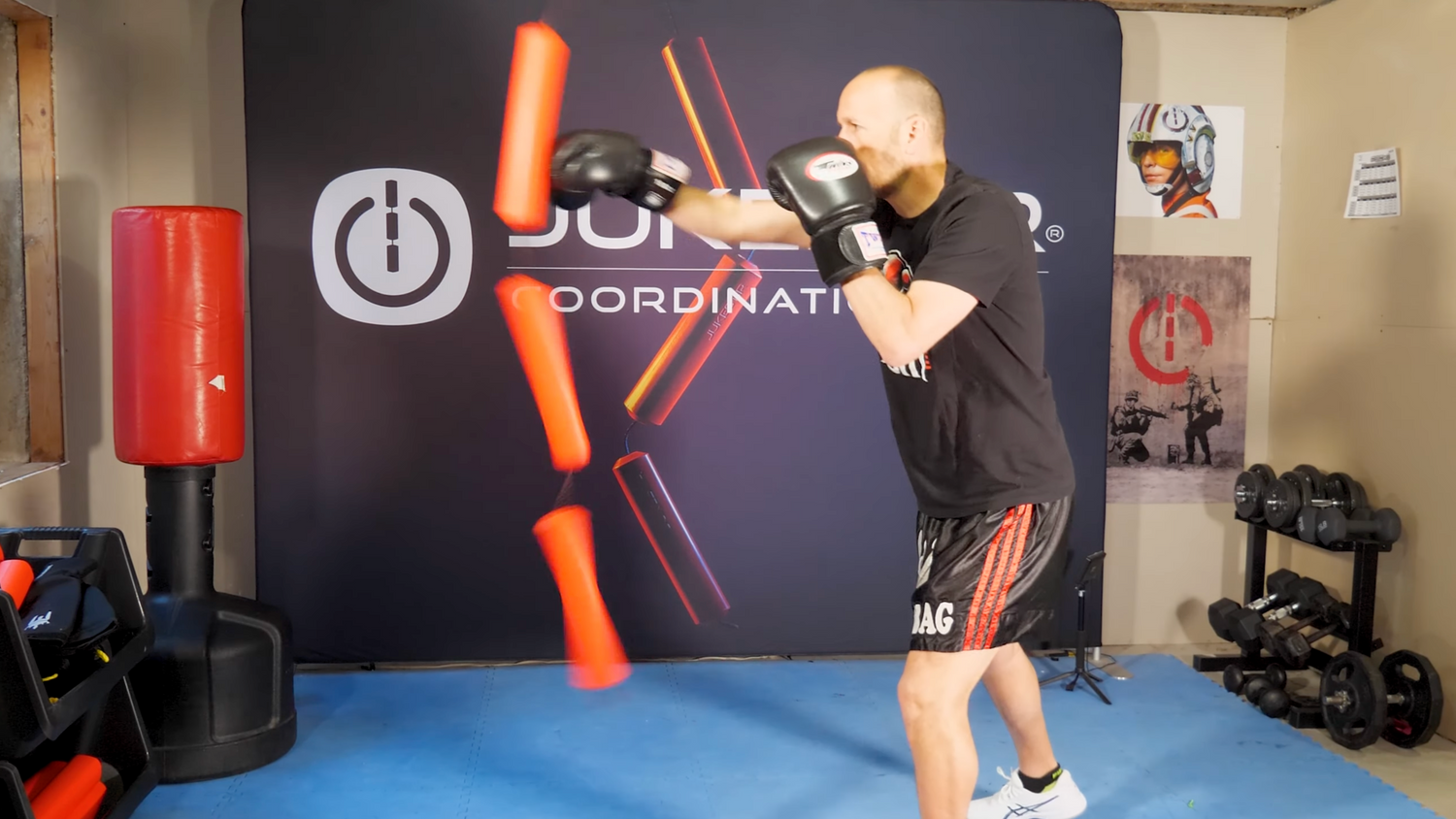
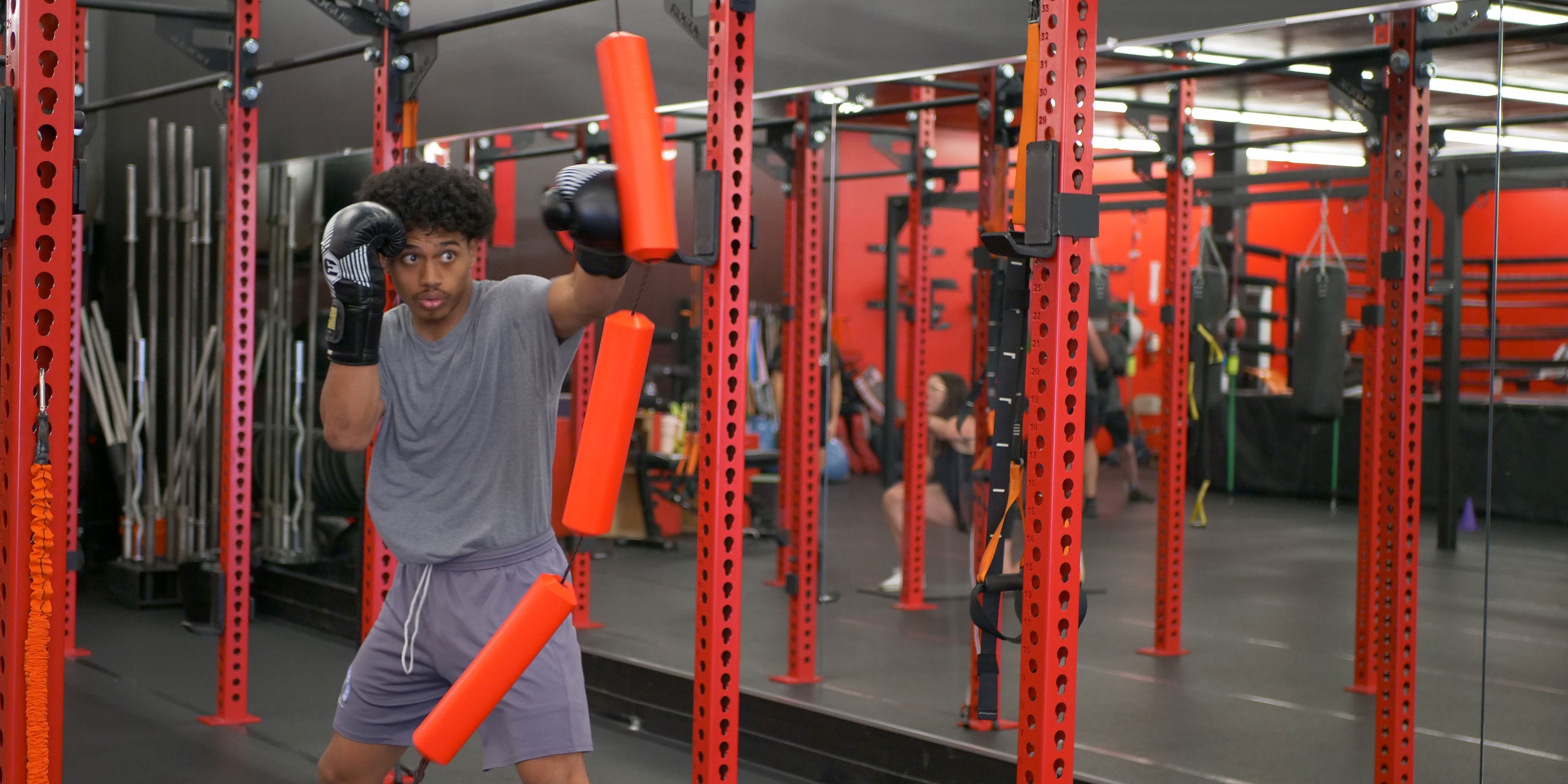
Reaction-based training offers a flexible way to engage diverse populations while supporting coordination, focus, and confidence—without requiring advanced fitness levels.
The Unique Challenge of Community & YMCA Programming
Community-based fitness spaces must balance several priorities:
-
Accessibility for all abilities
-
Engagement across age groups
-
Safety and supervision
-
Limited equipment and space
-
Programs that keep members coming back
Unlike specialized gyms, community centers and YMCAs need tools that can adapt quickly—from youth programs to senior wellness to open gym sessions.
Why Traditional Group Activities Fall Short
Many group fitness options rely on:
-
Structured class formats
-
Repetitive movements
-
Skill-specific activities
While effective for some, these approaches can:
-
Exclude beginners or those with mobility limitations
-
Feel intimidating to new participants
-
Lose engagement over time
Programs that rely heavily on instruction or memorization also make it harder for participants to jump in casually.
Why Reaction-Based Movement Works in Community Settings
Reaction-based training focuses on responding to visual cues through simple movement. This makes it:
-
Easy to understand
-
Engaging without being overwhelming
-
Scalable for different abilities
Participants don’t need prior experience or technical skill. They simply react, move, and adjust—making it ideal for drop-in sessions and mixed-ability groups.
How Jukestir Fits Into Community Centers & YMCAs
Jukestir is a modular, light-based reaction training system designed for flexible use. It integrates easily into existing programs without replacing what already works.
Benefits for Community Programming
1. Inclusive by Design
Participants of all ages and fitness levels can engage at their own pace.
2. Encourages Social Interaction
Group activities foster cooperation, friendly competition, and shared movement experiences.
3. Minimal Instruction Required
Clear visual cues reduce the need for lengthy explanations.
4. Adaptable Across Programs
Works for youth programs, senior wellness, open gym hours, and fitness classes.
5. Keeps Programs Fresh
Interactive movement prevents routines from becoming stale.
Common Use Cases in Community & YMCA Settings
Youth Programs
Reaction-based games help children develop coordination, focus, and confidence while staying active.
Senior Wellness Classes
Light, responsive movement supports balance and awareness in a safe, engaging format.
Open Gym & Family Hours
Families of different ages can participate together without complex rules.
Group Fitness & Circuit Training
Reaction training adds variety to strength or cardio circuits.
Special Events & Challenges
Interactive movement stations increase participation and excitement.
Supporting Engagement Without Intimidation
One of the biggest barriers to participation in community fitness programs is fear—fear of being judged, of not keeping up, or of not knowing what to do.
Reaction-based movement reduces this by:
-
Removing complex choreography
-
Allowing self-paced participation
-
Encouraging play rather than performance
When movement feels approachable, more people are willing to try—and return.
A Tool That Supports Community Goals
YMCAs and community centers often emphasize:
-
Lifelong wellness
-
Social connection
-
Healthy movement habits
Reaction-based training aligns naturally with these values by supporting both physical and cognitive engagement.
It encourages:
-
Active participation
-
Awareness and coordination
-
Enjoyment of movement
These qualities help build sustainable programs rather than short-term fitness trends.
Why Versatility Matters for Program Directors
From a programming perspective, tools that serve multiple purposes offer the greatest value. Reaction-based systems can be:
-
Integrated into existing classes
-
Used as standalone activities
-
Adapted seasonally or for special populations
This flexibility allows centers to maximize usage without overcomplicating schedules.
If you’re exploring ways to make community fitness programs more inclusive, engaging, and versatile, reaction-based training is worth considering.

Leave a comment
All comments are moderated before being published.
This site is protected by hCaptcha and the hCaptcha Privacy Policy and Terms of Service apply.