Why Focus Feels Different With ADHD
For people with ADHD, focus isn’t about effort—it’s about engagement. Many children and adults with ADHD can concentrate deeply on certain activities, yet struggle with others that feel repetitive, passive, or low-stimulation.
This isn’t a lack of discipline. It’s how the ADHD brain regulates attention. When stimulation is too low, focus slips. When stimulation is well-matched, attention locks in.
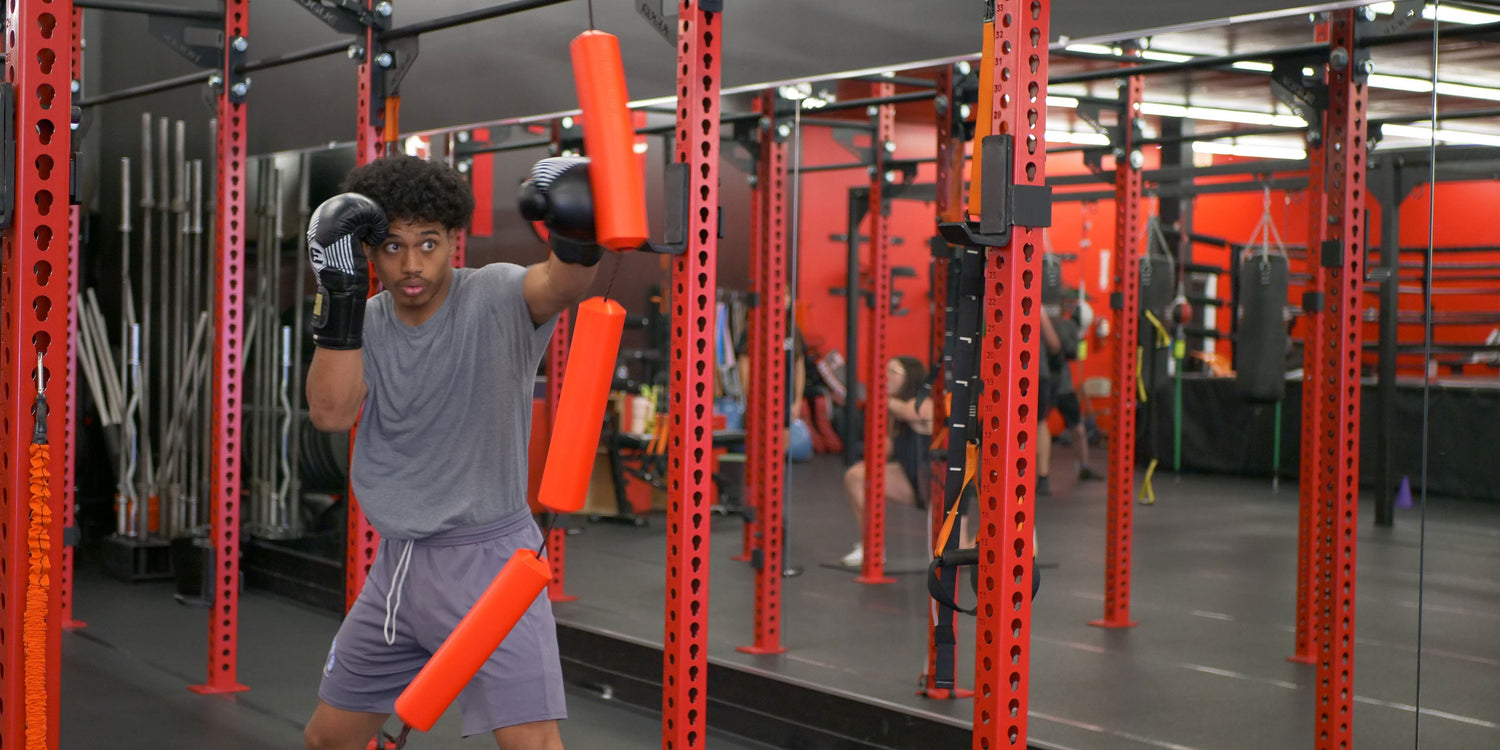
That’s why movement-based approaches are gaining attention as a natural way to support focus. Reaction-based training, in particular, combines physical activity with real-time engagement—helping regulate attention without relying on screens or forcing stillness.
Understanding ADHD as an Attention Regulation Difference
ADHD is often misunderstood as an inability to focus. In reality, it’s a challenge with attention regulation—the ability to shift, sustain, and control attention appropriately.
The ADHD brain:
-
Responds strongly to novelty and feedback
-
Seeks stimulation and movement
-
Struggles with delayed rewards
-
Can become restless during passive tasks
Neurochemically, dopamine plays a major role in motivation and focus. Activities that provide immediate feedback and physical engagement help support dopamine regulation—making focus feel more natural.
Why Traditional Focus Tools Don’t Work for Everyone
Many common focus strategies emphasize:
-
Sitting still for longer periods
-
Reducing all stimulation
-
Screen-based productivity tools
While these methods help some people, others find them frustrating or ineffective. Screens can become distracting. Forcing stillness can increase restlessness rather than reduce it.
What’s often missing is purposeful movement, movement that engages attention instead of competing with it.
Why Movement Helps With Focus
Physical movement supports focus by:
-
Increasing dopamine and norepinephrine
-
Reducing internal restlessness
-
Improving blood flow to attention-related brain areas
-
Providing sensory feedback that anchors awareness
However, not all movement is equally effective. Repetitive or automatic movement may help temporarily, but movement that requires attention, timing, and decision-making is more powerful for regulating focus.
What Is Reaction-Based Training?
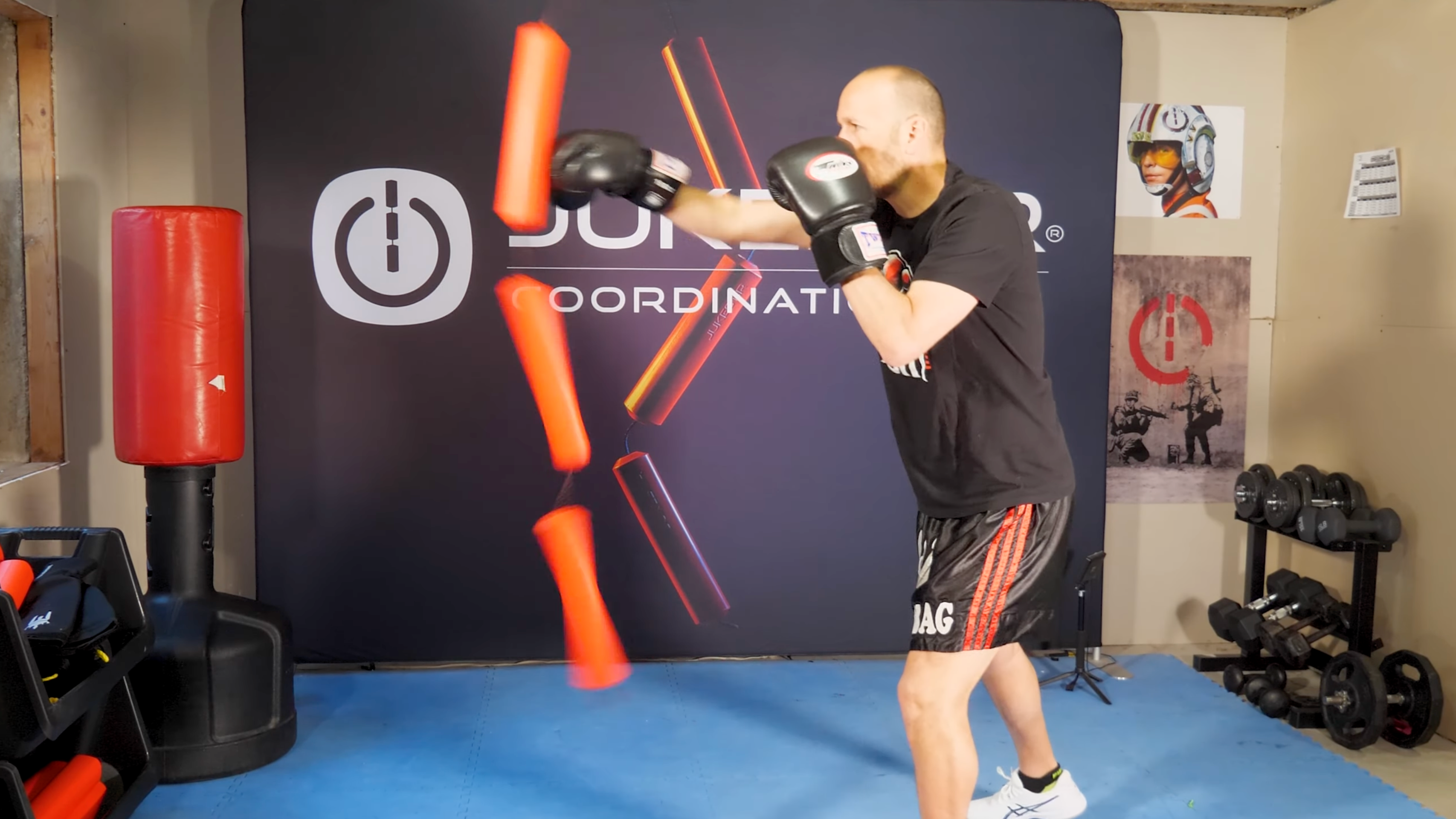
Reaction-based training involves responding to unpredictable visual cues with intentional movement. Instead of following a set routine, the brain must quickly:
-
Notice a stimulus
-
Decide how to respond
-
Execute the movement
This engages attention, working memory, and motor planning—all systems involved in focus.
Because the activity is dynamic and interactive, attention is maintained naturally rather than forced.
How Jukestir Supports Focus Through Movement
Jukestir is a light-based reaction training system designed to engage both mind and body. For individuals with ADHD, it offers a structured way to channel energy into focus-supportive movement.
Key Benefits for ADHD & Focus
1. Dopamine-Friendly Engagement
Immediate visual feedback helps maintain interest and motivation.
2. Screen-Free Stimulation
Jukestir provides engagement without notifications, apps, or digital overload.
3. Short, Effective Sessions
Even brief sessions can help reset attention and prepare the brain for focused tasks.
4. Movement That Requires Attention
The need to react keeps the mind actively involved, reducing mind-wandering.
5. Adaptable for Different Ages
Jukestir can be used by children, teens, and adults at their own pace.
Real-World Use Cases
Before Homework or Studying
A student uses a short reaction session before sitting down to study, helping reduce restlessness and improve task readiness.
During Work Breaks
An adult with ADHD uses reaction training as a mid-day reset to restore focus between meetings or projects.
After School or Work
Instead of more screen time, reaction-based movement helps release excess energy while supporting attention regulation.
In Coaching or Therapy Settings
Professionals integrate movement-based focus tools as part of broader ADHD support strategies.
What Reaction-Based Training Is and Isn’t
It’s important to clarify that reaction-based training is not a treatment or cure for ADHD, and it does not replace professional care, therapy, or medication where appropriate.
What it can do is:
-
Support focus naturally
-
Encourage self-regulation through movement
-
Provide a positive, empowering tool
For many people, it becomes one helpful part of a balanced approach to managing attention.
Why Consistency Matters More Than Intensity
With ADHD, tools that feel boring or restrictive don’t last. Consistency comes from enjoyment and accessibility.
Reaction-based movement works because it’s:
-
Engaging
-
Flexible
-
Low-pressure
-
Easy to repeat
When supporting focus feels enjoyable rather than exhausting, it’s easier to build a routine.
A More Supportive Way to Think About Focus
Focus isn’t about forcing the brain to behave differently—it’s about creating the right conditions for attention to emerge.
Movement-based, reaction-driven approaches respect how ADHD brains work and help channel energy productively instead of suppressing it.
If you’re looking for a screen-free, movement-based way to support focus and attention, reaction-based training is worth exploring.
See how Jukestir supports focus through engaging, movement-based training.


Leave a comment
All comments are moderated before being published.
This site is protected by hCaptcha and the hCaptcha Privacy Policy and Terms of Service apply.