Why Physical Therapy Progress Often Slows
Physical therapy plays a critical role in recovery—from injury rehabilitation to neurological conditions and long-term mobility support. Yet many patients experience a familiar challenge: progress slows, motivation drops, and exercises start to feel repetitive.
This plateau doesn’t always happen because therapy stops working. More often, it happens because movement improves faster than coordination, timing, and awareness. Real-life movement isn’t just about strength or range of motion, it’s about reacting, adapting, and staying balanced in unpredictable situations.
That’s why many therapists are now looking beyond traditional drills and exploring reaction-based movement training as a way to keep patients engaged and progressing.
The Hidden Challenge in Rehabilitation: Coordination and Awareness
After injury or neurological disruption, the brain and body must relearn how to communicate efficiently. Even when muscles regain strength, patients may struggle with:
-
Delayed reactions
-
Poor balance under movement
-
Hesitation during transitions (standing, stepping, turning)
-
Reduced confidence in daily activities
These issues are neurological as much as physical. Rehabilitation that focuses only on isolated movement patterns may miss the opportunity to retrain sensorimotor integration, the brain’s ability to process information and respond with coordinated movement.
This is where neuroplasticity becomes central to therapy success.
Why Neuroplasticity Requires Engagement, Not Repetition Alone
Neuroplasticity refers to the brain’s ability to form new neural connections. It’s the foundation of recovery in physical therapy, especially for patients dealing with stroke, concussion, Parkinson’s disease, spinal cord injury, or age-related decline.
However, neuroplastic change happens most effectively when:
-
The patient is actively engaged
-
The task requires attention and decision-making
-
Feedback is immediate
Repetitive exercises without variation can still be useful, but they don’t always challenge the brain enough to drive lasting coordination improvements.
Limitations of Traditional Therapy Tools
Common physical therapy approaches include:
-
Strength and resistance exercises
-
Balance boards and stability tools
-
Gait training
-
Manual and assisted movement
While all are valuable, they can become predictable over time. When patients know exactly what’s coming next, the brain switches into autopilot. Engagement drops, and learning slows.
Additionally, motivation can be a major barrier—especially for long-term or home-based therapy programs.
Reaction-Based Training: A Missing Layer in Rehab
Reaction-based movement training introduces unpredictability into therapy. Instead of following a fixed pattern, the patient must respond to an external stimulus in real time.
This type of training helps:
-
Reinforce brain–body communication
-
Improve balance and timing
-
Encourage faster, more confident movement
-
Keep patients mentally involved
By combining cognition and movement, reaction training mirrors the demands of real-world activity, stepping around obstacles, adjusting posture, or responding to sudden changes.
How Jukestir Fits Into Physical Therapy Programs
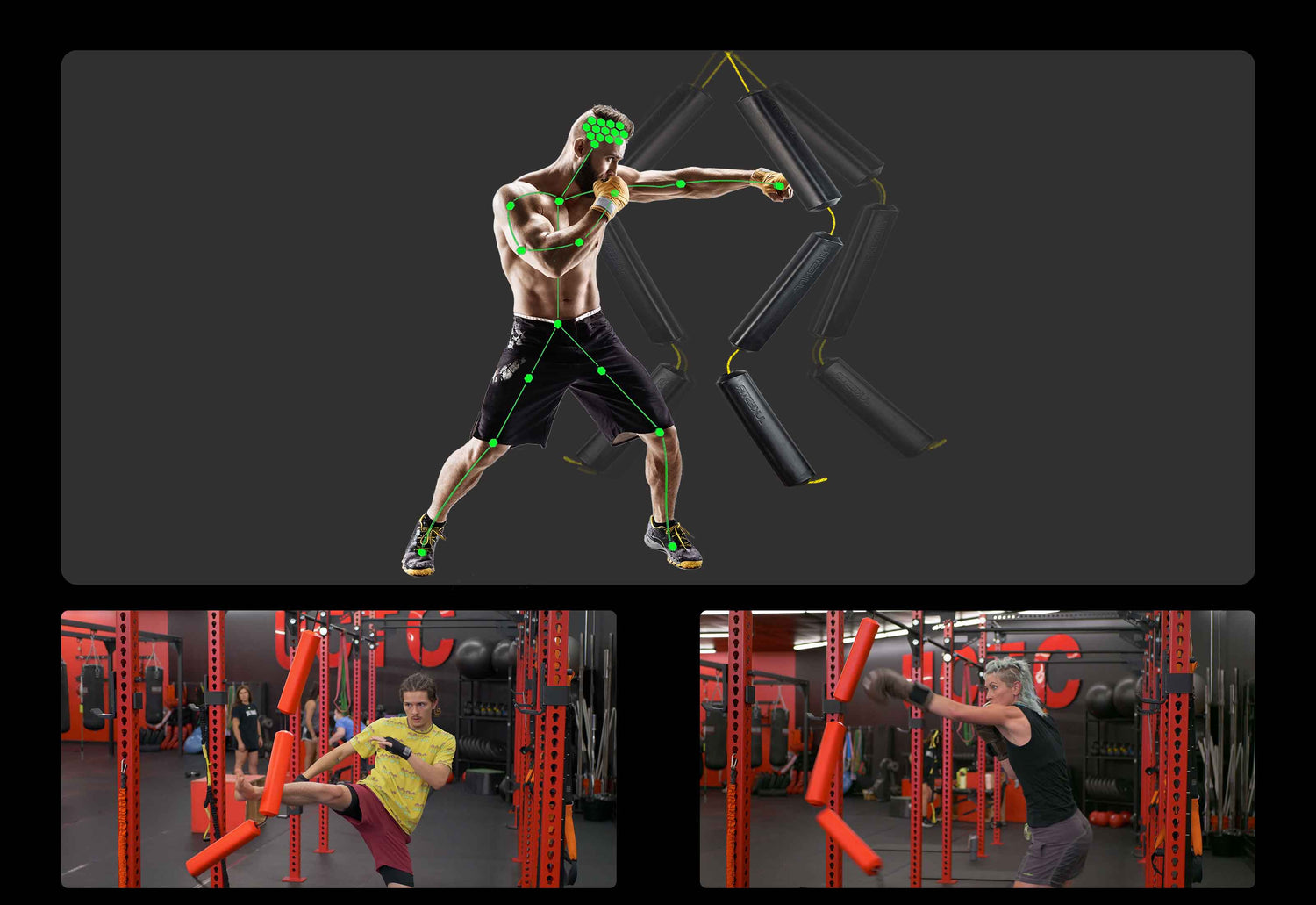
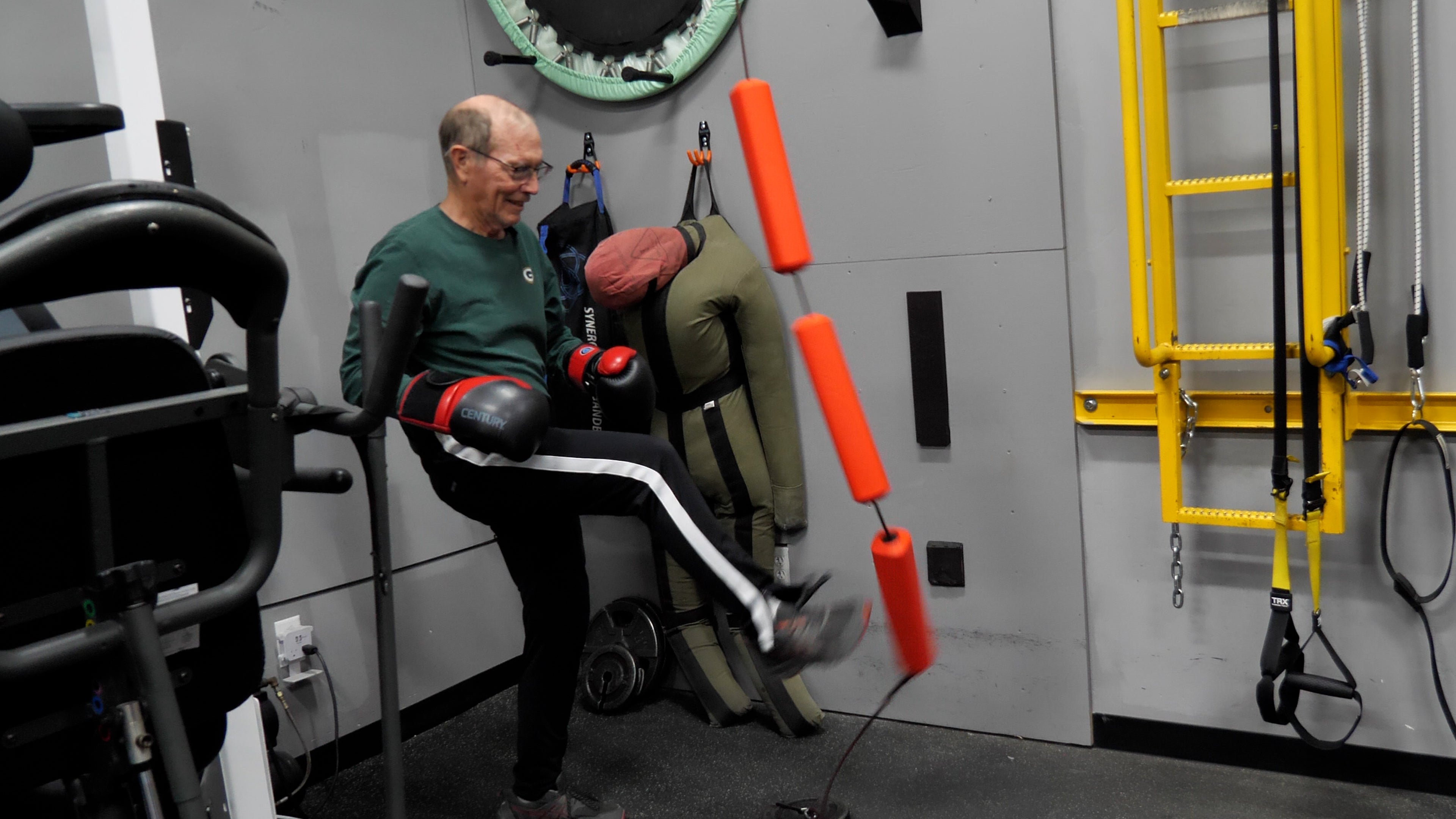
Jukestir is a light-based reaction training system designed to make movement more engaging and responsive. In a physical therapy context, it can be used as a complementary tool alongside traditional rehab exercises.
Key Benefits for Physical Therapy Settings
1. Encourages Active Participation
Patients aren’t just “going through the motions.” They must pay attention, react, and adjust—supporting deeper learning.
2. Supports Neuroplasticity
The combination of visual cues and movement helps stimulate new neural pathways.
3. Improves Coordination and Balance
Responding to lights placed at different positions challenges lateral movement, weight shifting, and postural control.
4. Adaptable Across Ability Levels
Exercises can be scaled for early-stage rehab or more advanced coordination work.
5. Increases Motivation
Because it feels interactive rather than clinical, patients are more likely to stay consistent.
Use Cases in Physical Therapy
Neurological Rehabilitation
Therapists may use reaction-based movement to support coordination and timing in patients with Parkinson’s disease, stroke recovery, or concussion-related symptoms.
Orthopedic Recovery
After joint injuries or surgeries, reaction training can help patients regain confidence in dynamic movement—not just static strength.
Balance and Fall Prevention
Older adults or patients with balance challenges benefit from training that improves reaction speed and spatial awareness.
Home Exercise Programs
Reaction-based tools can help bridge the gap between in-clinic therapy and home practice by making exercises more engaging.
Why Engagement Matters for Long-Term Outcomes
Consistency is one of the strongest predictors of therapy success. If patients feel bored, overwhelmed, or disconnected, adherence drops.
Reaction-based movement encourages:
-
Short, effective sessions
-
Positive feedback loops
-
A sense of progress and control
When patients enjoy the process, they’re more likely to stay active, and progress continues.
A More Holistic Approach to Physical Therapy
Physical therapy isn’t just about restoring movement, it’s about restoring confidence, coordination, and independence.
By integrating reaction-based training into rehab programs, therapists can address both the physical and neurological components of recovery, helping patients move more naturally in everyday life.
If you’re exploring ways to enhance engagement, coordination, and neuroplasticity in physical therapy, reaction-based training is worth considering.
Learn how Jukestir supports modern, movement-focused physical therapy programs.


Leave a comment
All comments are moderated before being published.
This site is protected by hCaptcha and the hCaptcha Privacy Policy and Terms of Service apply.