Physical therapy is most effective when patients are engaged—not just physically, but mentally. While strength and mobility are critical, long-term recovery often depends on how well the brain and body relearn to work together.
Many rehab patients experience a plateau once basic movement returns. That’s because isolated, repetitive exercises don’t always challenge coordination, timing, or awareness—the skills required for real-life movement.
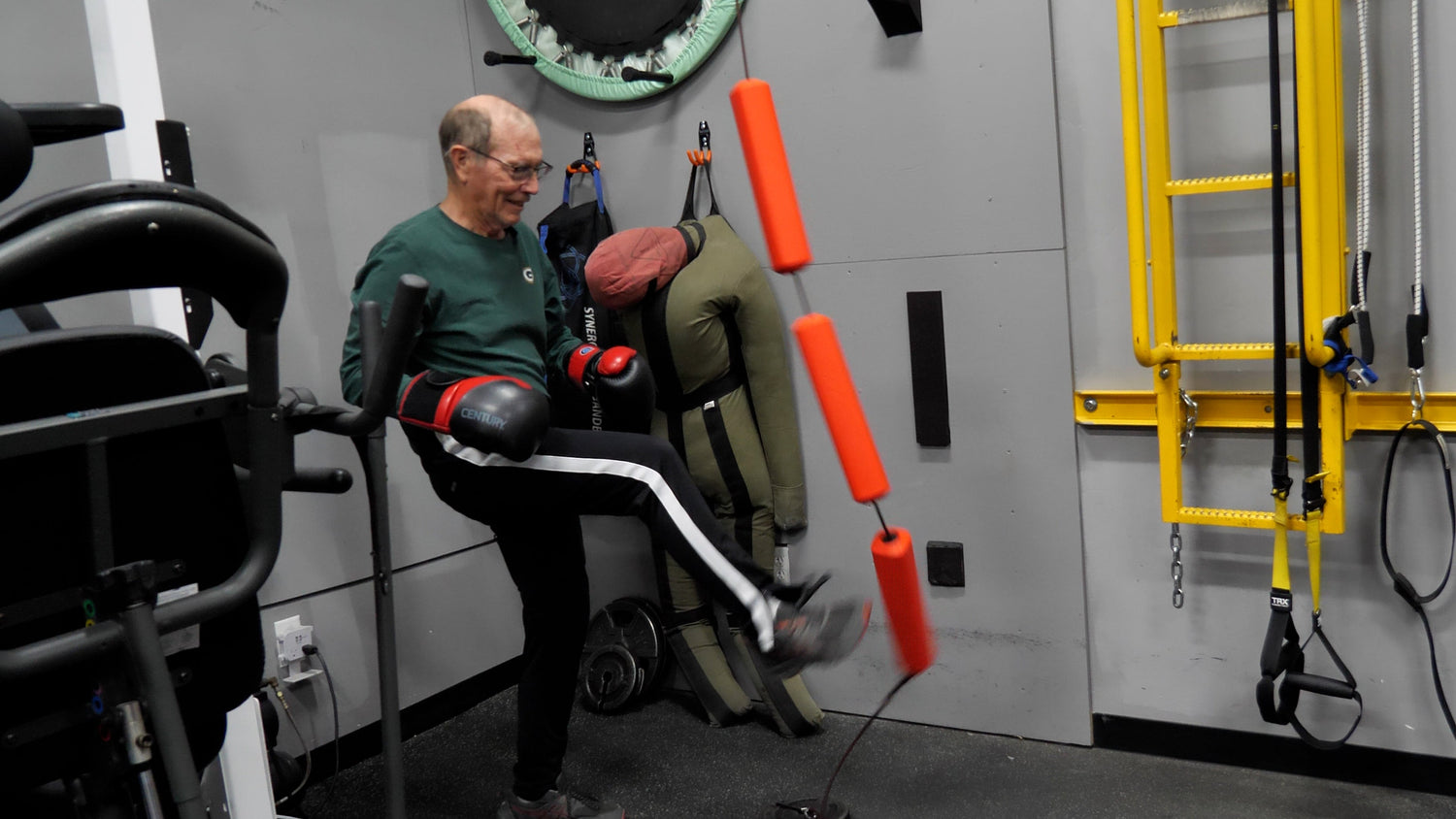
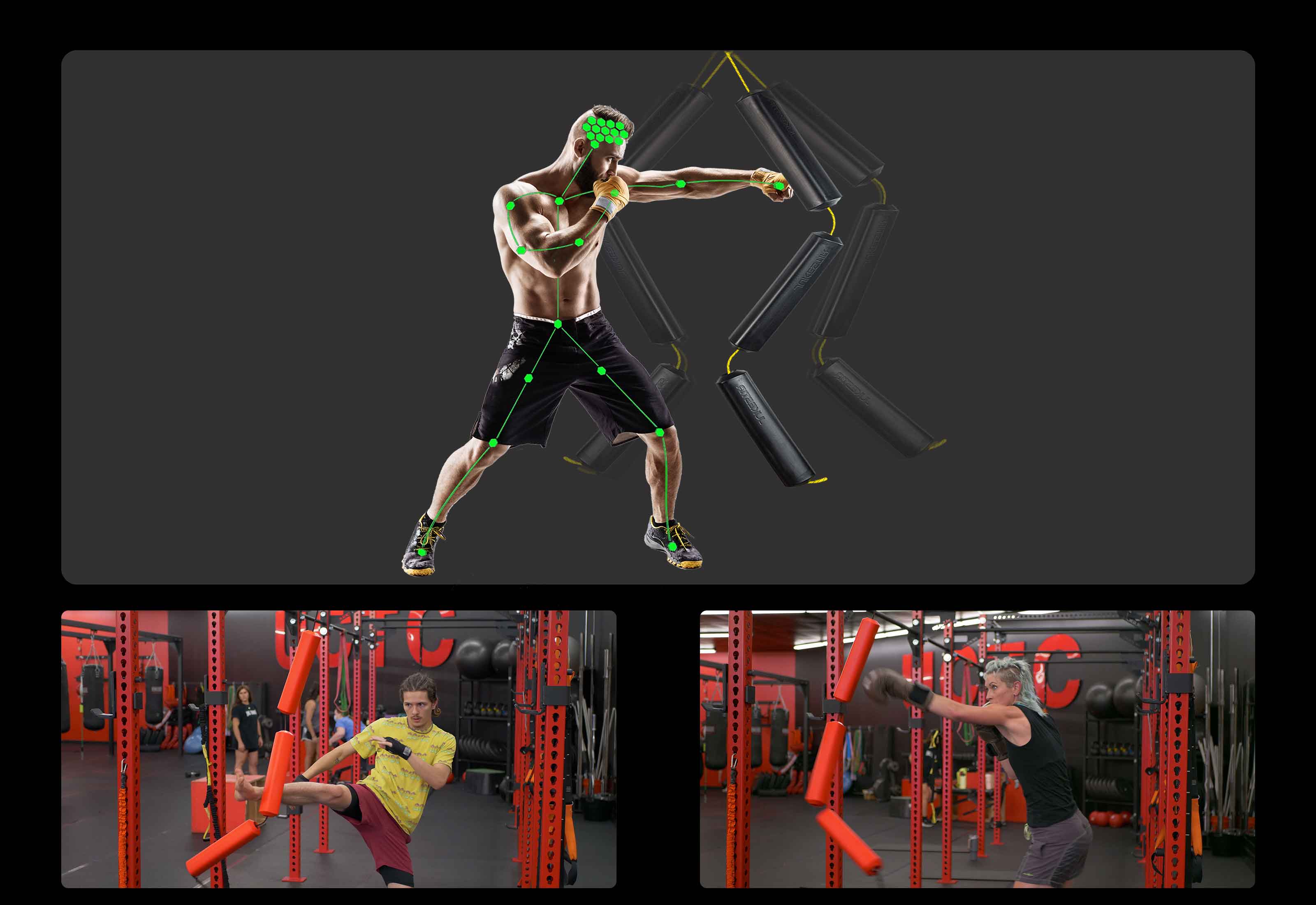
Reaction-based training adds a missing layer to therapy by requiring patients to respond to external stimuli. This activates neuroplasticity, reinforcing new neural pathways through decision-making and movement combined.
Unlike passive drills, reaction training:
-
Encourages real-time problem solving
-
Improves balance and coordination
-
Keeps patients mentally engaged
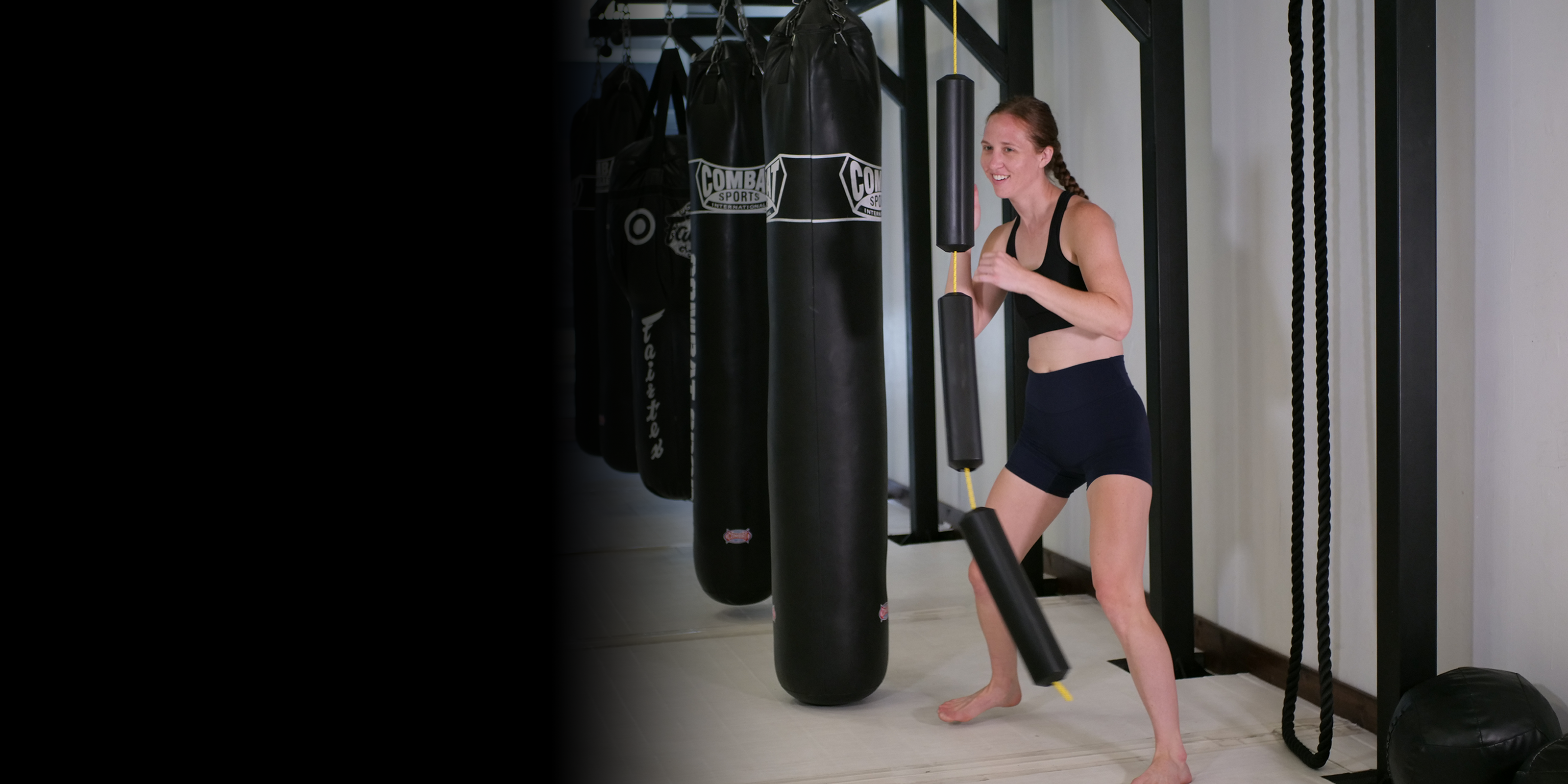
Jukestir supports physical therapy by offering adaptable reaction challenges that can be scaled for different conditions and abilities. Therapists can use it to complement traditional rehab, especially when working on gait, balance, or coordination.
Learn how Jukestir fits into modern physical therapy programs.

Leave a comment
All comments are moderated before being published.
This site is protected by hCaptcha and the hCaptcha Privacy Policy and Terms of Service apply.