In martial arts, power means very little without positioning. Whether it’s boxing, kickboxing, MMA, karate, or taekwondo, footwork determines everything, distance control, timing, balance, and the ability to attack or evade.
Many practitioners spend hours drilling strikes, combinations, and conditioning, yet still struggle in sparring or competition. Often, the missing link isn’t strength or technique, it’s reaction-based footwork. Real fights are dynamic and unpredictable, and static drills don’t always prepare athletes for what actually happens in the moment.
This is where reaction training plays a powerful role, helping martial artists move more efficiently, respond faster, and stay aware under pressure.
The Problem: Traditional Footwork Drills Don’t Fully Translate to Fighting
Classic footwork drills, ladder drills, shadowboxing patterns, cone work, are valuable. They build coordination and movement familiarity. But they’re usually pre-planned and predictable.
In real combat situations:
-
Opponents move unpredictably
-
Distance changes constantly
-
Decisions must be made in milliseconds
If footwork isn’t connected to real-time decision-making, it often breaks down under pressure. Fighters may freeze, overstep, cross their feet, or react late—not because they don’t know the movement, but because their nervous system hasn’t trained for unpredictability.
Why Footwork Is a Neurological Skill, Not Just a Physical One
Good footwork isn’t just about leg strength or conditioning. It’s about how quickly the brain can:
-
Detect movement
-
Process spatial information
-
Choose a response
-
Execute precise foot placement
This is known as sensorimotor integration, the connection between perception and movement.
When training lacks reaction and awareness, fighters may look sharp in drills but slow in live exchanges. To improve footwork where it matters most, training must challenge the brain as much as the body.
Existing Solutions & Their Limitations
Most martial artists rely on a combination of:
-
Shadowboxing
-
Agility ladders
-
Sparring
-
Pad work
While effective, each has limitations:
-
Shadowboxing lacks external stimulus
-
Agility ladders don’t reflect fight distances
-
Sparring is demanding and can’t always be done at full intensity
What’s often missing is a way to train reactive movement without full contact or constant partner availability.
A Better Approach: Reaction-Based Footwork Training
Reaction-based training introduces unpredictable cues that force the fighter to move instinctively. Instead of deciding in advance where to step, the athlete reacts in real time, just like in a fight.
This type of training improves:
-
Timing and rhythm
-
Distance management
-
Balance under movement
-
Confidence in foot placement
It bridges the gap between controlled drills and live sparring.
How Jukestir Helps Improve Martial Arts Footwork
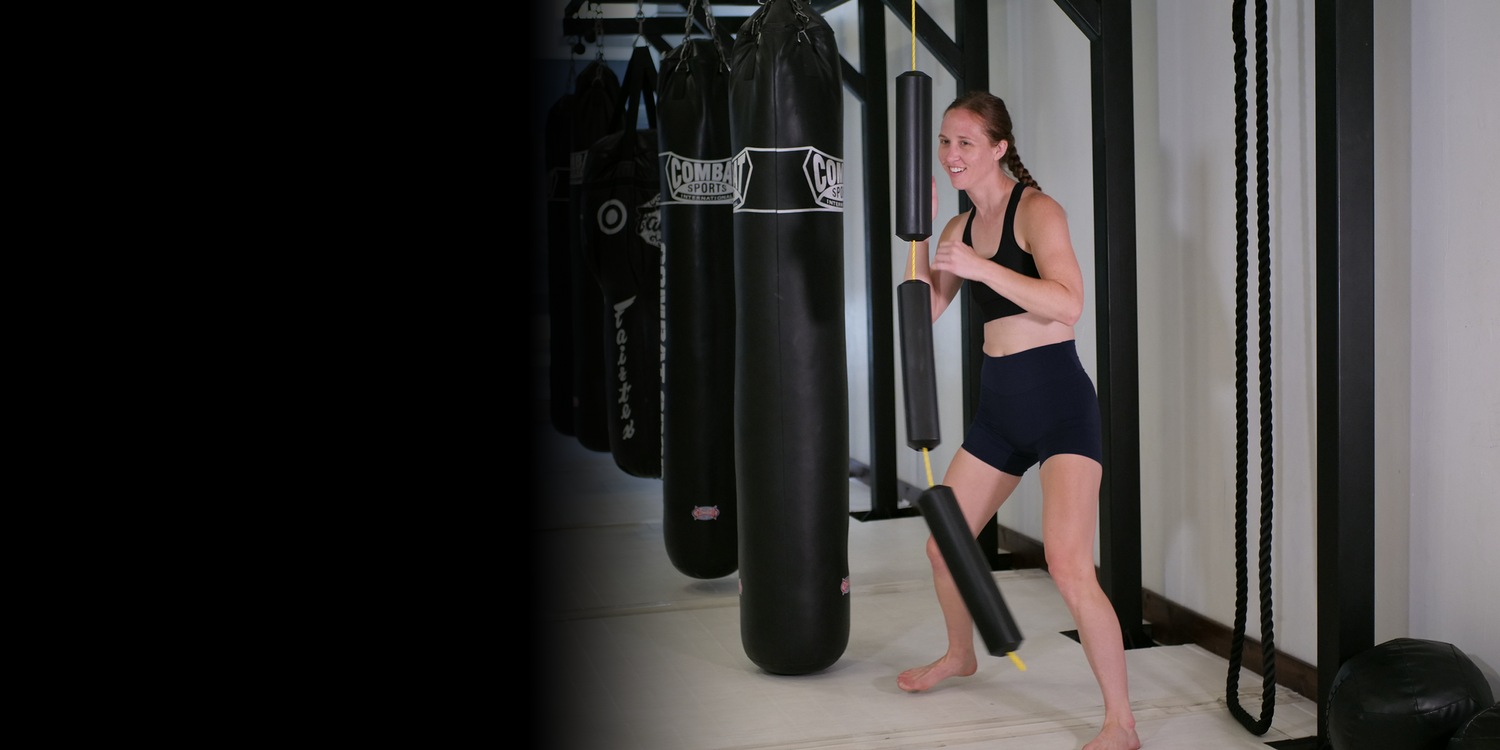
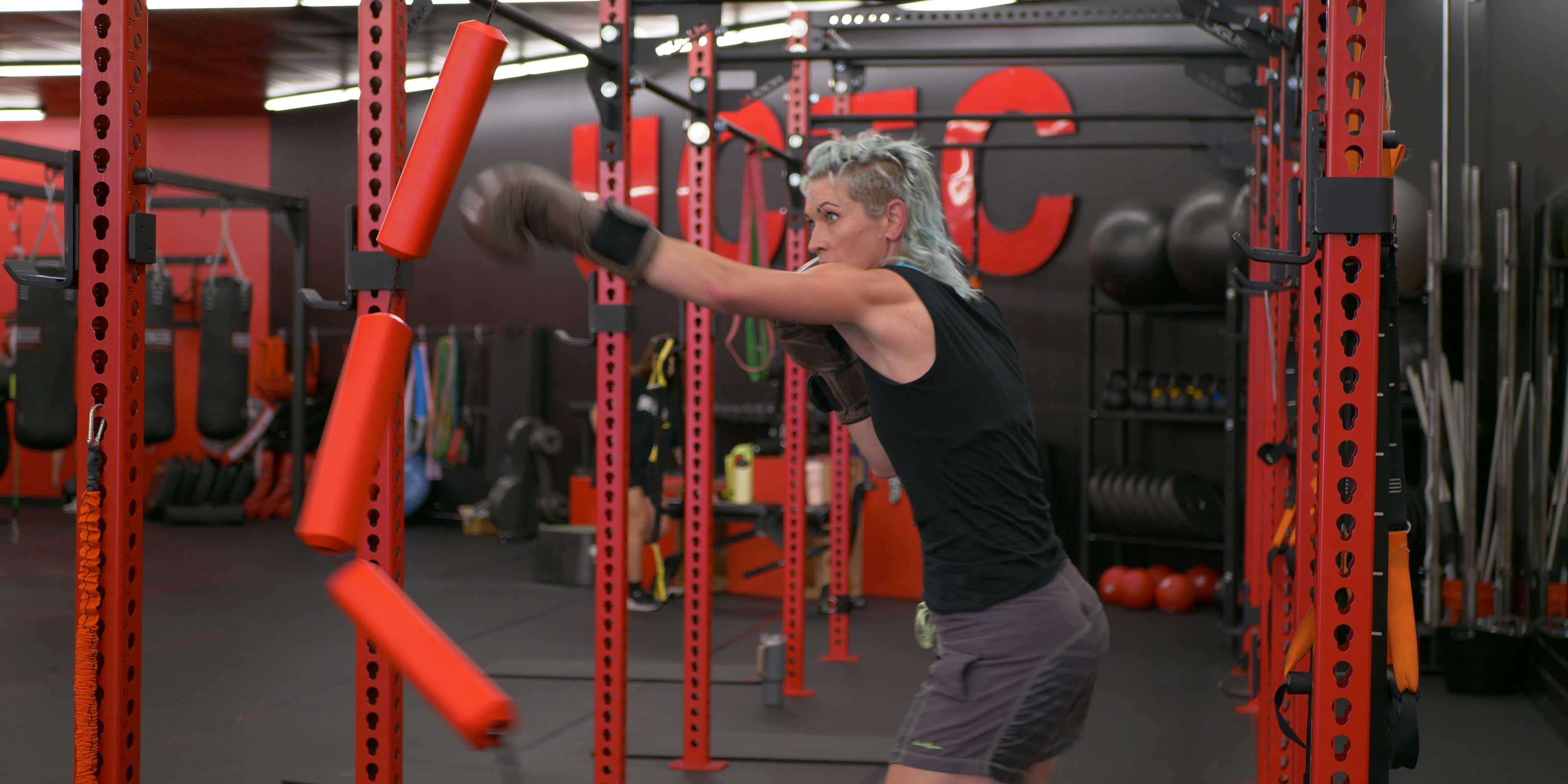
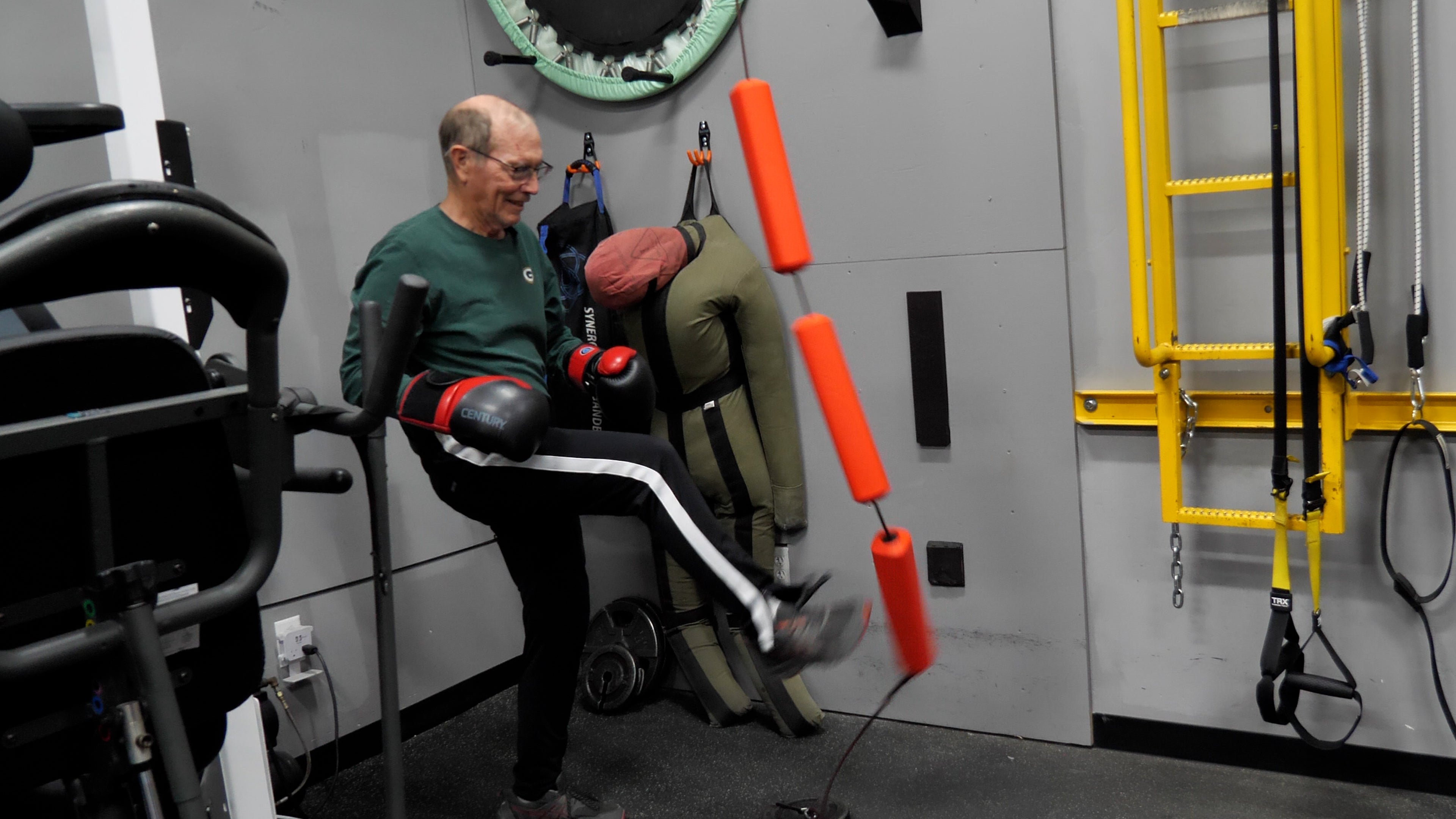
Jukestir is a light-based reaction training system that challenges fighters to move in response to visual stimuli. For martial artists, this directly supports better footwork by training the nervous system, not just the legs.
Key Footwork Benefits of Jukestir
1. Faster Reaction to Movement
The lights create external cues that mimic opponent movement, helping fighters react quicker and more instinctively.
2. Improved Directional Control
Responding to lights placed at different angles trains lateral movement, pivots, and quick resets—critical for striking and evasive footwork.
3. Better Balance Under Pressure
Because movements are unplanned, fighters learn to stay balanced and grounded even when reacting quickly.
4. Enhanced Spatial Awareness
Jukestir encourages awareness of space, distance, and positioning, skills that translate directly to ring or mat performance.
Why Reaction Training Complements, Not Replaces, Martial Arts Practice
Jukestir isn’t meant to replace traditional martial arts training. Instead, it enhances it by targeting a layer that’s often undertrained: reaction-driven movement.
Used correctly, it can:
-
Serve as a warm-up to prime footwork
-
Be used between rounds to maintain sharpness
-
Support solo training when partners aren’t available
Because sessions can be short and intense, it fits easily into existing routines.
Real-World Use Cases
Striking Sports (Boxing, Kickboxing, Muay Thai)
Fighters use Jukestir to improve lateral movement, in-and-out stepping, and angle changes without relying solely on ladders or cones.
Martial Arts Schools
Coaches incorporate reaction training stations to help students develop movement awareness earlier in their training.
MMA & Self-Defense
Athletes use reaction-based footwork drills to improve responsiveness when transitioning between striking and grappling ranges.
Why Engagement Matters in Footwork Training
Footwork drills are essential, but they can become repetitive. When training feels monotonous, focus drops and movement quality suffers.
Reaction-based training keeps athletes mentally engaged, which:
-
Improves learning retention
-
Reduces sloppy movement
-
Encourages consistency
When fighters enjoy the process, they train better, and longer.
A Smarter Way to Train Footwork for Real Fights
Footwork isn’t just about moving fast. It’s about moving at the right time, in the right direction, with confidence. That requires training the brain and body together.
By introducing reaction, unpredictability, and awareness into movement, martial artists can develop footwork that actually holds up under pressure.
If you’re looking to sharpen your footwork, improve reaction speed, and move more confidently in real fight situations, reaction-based training is worth exploring.
Explore Available Jukestir drills that support footwork and movement training for martial artists.

Leave a comment
All comments are moderated before being published.
This site is protected by hCaptcha and the hCaptcha Privacy Policy and Terms of Service apply.