Why “Just Focus” Has Never Worked
If you or someone you care about has ADHD, you’ve probably heard the same advice over and over: try harder to focus. But ADHD isn’t a lack of effort, it’s a difference in how the brain regulates attention, stimulation, and motivation.
For many people with ADHD, sitting still, staring at a screen, or forcing concentration can feel exhausting or even counterproductive. Yet focus often appears naturally during movement, play, or high-engagement activities. That’s not a coincidence—it’s biology.
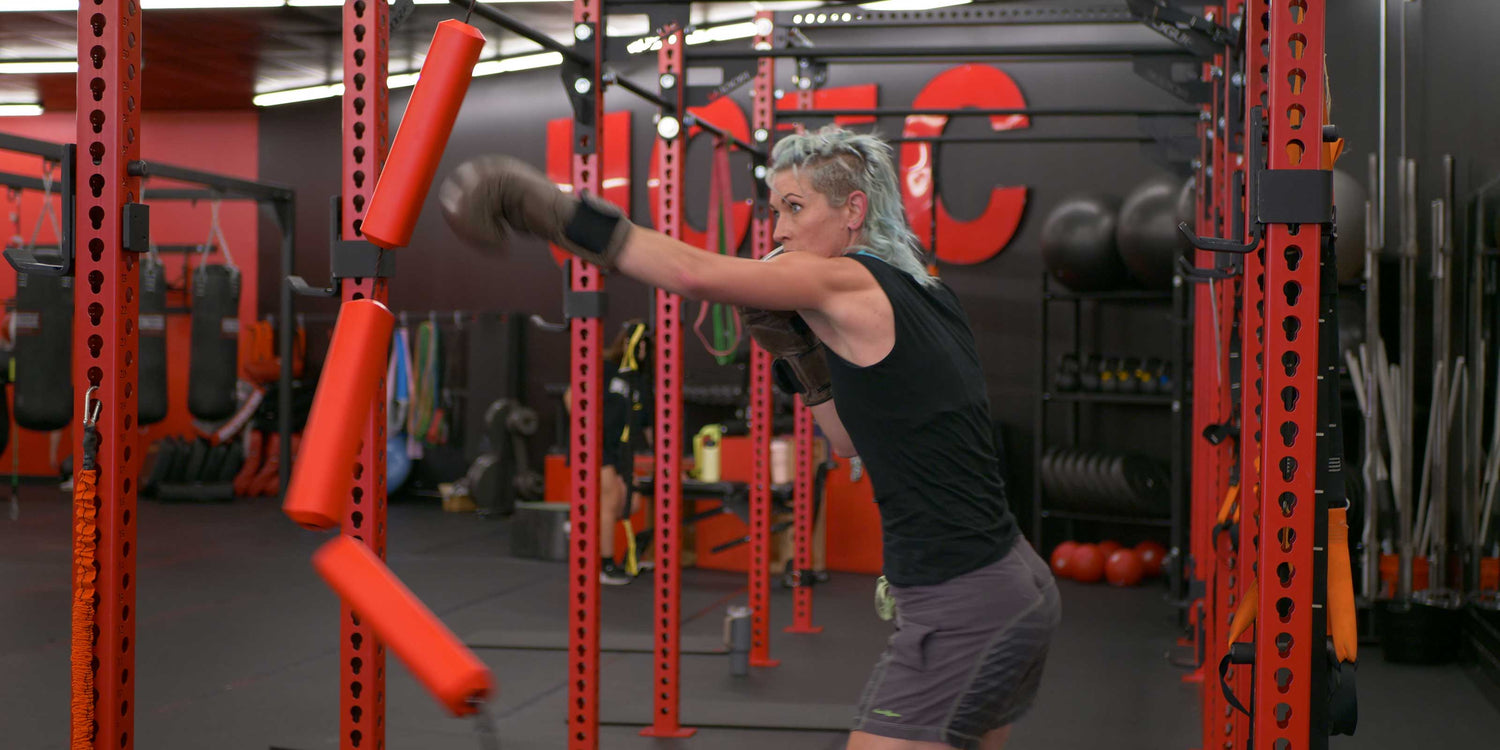
This is why more parents, adults, and educators are exploring movement-based, dopamine-friendly approaches to attention regulation. One approach gaining traction is reaction-based training, which combines physical movement with real-time feedback to engage attention in a natural, sustainable way, without relying on screens.
Understanding ADHD: It’s About Regulation, Not Willpower
ADHD is often misunderstood as a problem with attention itself. In reality, it’s better described as a challenge with attention regulation.
The ADHD brain:
-
Seeks novelty and stimulation
-
Responds strongly to immediate feedback
-
Struggles with delayed rewards
-
Can hyperfocus when engaged
Neurochemically, dopamine plays a major role. Dopamine helps regulate motivation, reward, and attention. When stimulation is too low, the brain looks elsewhere—leading to distraction, restlessness, or mental fatigue.
This is why passive tasks (like lectures or repetitive work) are especially difficult, while interactive or fast-paced activities feel easier to focus on.
Why Traditional Focus Tools Often Fall Short
Many common ADHD “solutions” rely on stillness, suppression, or external pressure:
-
Sitting longer
-
Removing all stimulation
-
Forcing sustained attention
-
Increasing screen-based productivity tools
While these approaches work for some, they often backfire for others. Screens can overstimulate. Passive tools don’t provide enough feedback. And forcing stillness can increase restlessness rather than reduce it.
What’s often missing is purposeful movement combined with immediate engagement.
Why Movement Helps ADHD Brains Focus
Movement isn’t a distraction for ADHD—it’s a regulator.
Physical movement:
-
Increases dopamine and norepinephrine
-
Improves blood flow to attention-related brain regions
-
Reduces internal restlessness
-
Provides sensory feedback that anchors focus
But not all movement is equal. Repetitive or mindless exercise may help temporarily, but movement that requires attention, timing, and decision-making has a much stronger effect on focus.
That’s where reaction-based training comes in.
What Is Reaction-Based Training?
Reaction-based training involves responding to unpredictable visual cues with quick, intentional movement. Instead of following a set routine, the brain must:
-
Detect a stimulus
-
Process information
-
Decide on a response
-
Execute movement
All within a short timeframe.
This engages:
-
Attention
-
Working memory
-
Motor planning
-
Sensory integration
In other words, it naturally trains the same systems involved in focus—without asking the person to “try harder.”
Why Reaction Training Is Especially ADHD-Friendly
Reaction training aligns closely with how ADHD brains operate best:
1. Immediate Feedback
Each response is rewarded instantly, keeping engagement high.
2. Novelty Without Overload
The activity stays fresh without becoming chaotic or overstimulating.
3. Active, Not Passive
Attention is anchored to action, not forced stillness.
4. Short, Effective Sessions
Even a few minutes can reset focus and mental energy.
This makes reaction training useful both before focus-heavy tasks and as a mid-day reset.
Introducing a Better, Screen-Free Approach to Focus
While many ADHD tools rely on apps, timers, or digital prompts, reaction-based movement offers a screen-free alternative that still provides engagement and structure.
Instead of competing with screens for attention, it works with the brain’s natural need for stimulation—through physical interaction.
This is where systems like Jukestir fit naturally into ADHD-friendly routines.
Why Jukestir Works for Focus and Attention
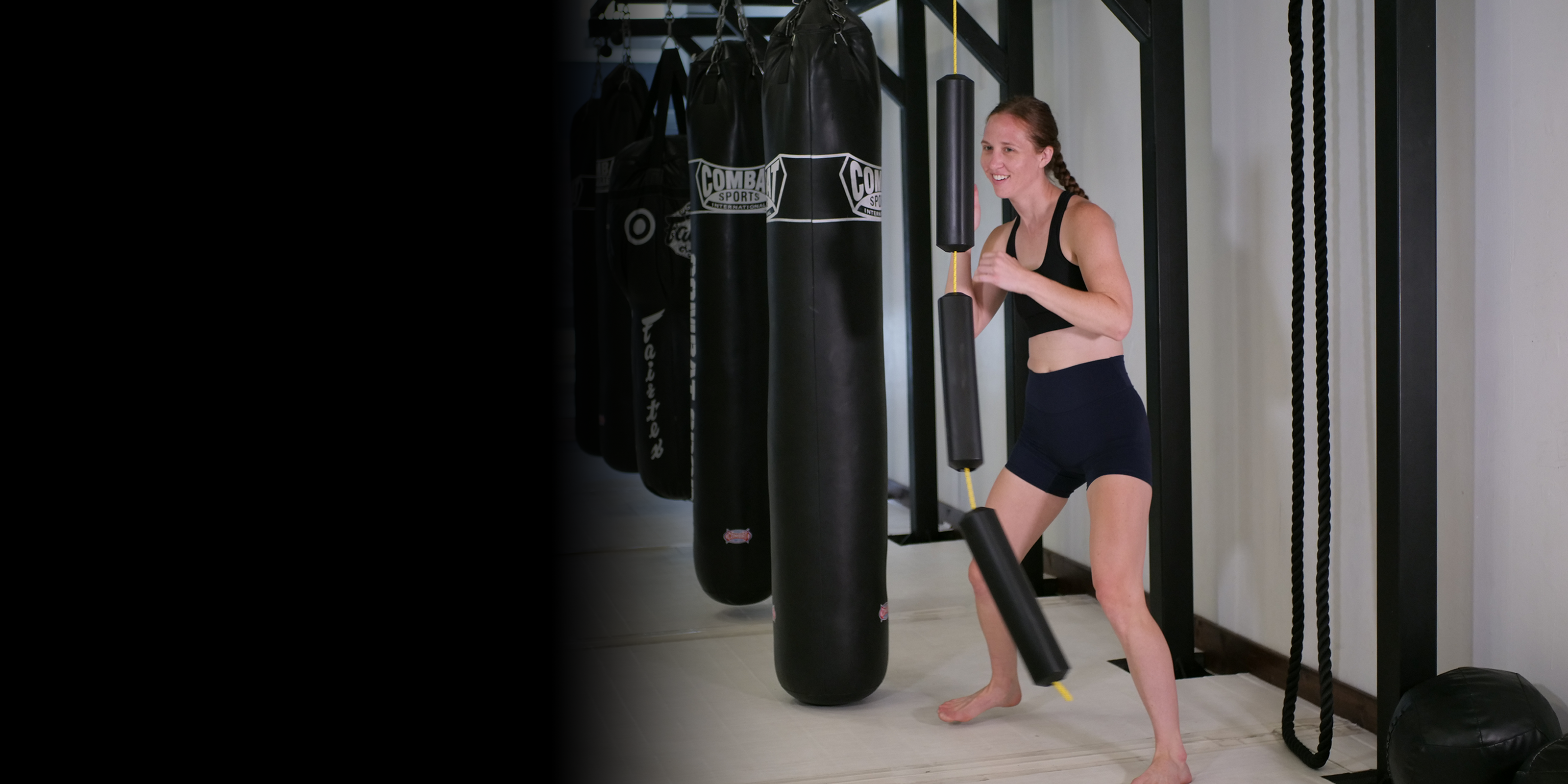
Jukestir is a light-based reaction training system designed to engage both mind and body through play.
For individuals with ADHD, it offers several advantages:
-
Dopamine-friendly engagement through real-time feedback
-
No screens, notifications, or digital overload
-
Movement-based focus regulation, not forced concentration
-
Adaptable intensity, suitable for kids, teens, and adults
Rather than asking the user to suppress restlessness, Jukestir channels it into purposeful movement—often making it easier to transition into seated or cognitive tasks afterward.
Real-World Use Cases
A Student Preparing to Study
A high school student uses Jukestir for 5–10 minutes before homework. The short reaction session helps release restlessness and improves focus during study time.
An Adult Working From Home
A remote worker with ADHD uses brief reaction training breaks between tasks to reset attention and avoid mental fatigue.
A Child With Excess Energy
Instead of more screen time, a parent introduces reaction-based movement as a structured way to engage attention and burn off energy.
A Therapist or Coach
Professionals incorporate reaction training into routines to support attention regulation in a non-clinical, engaging way.
What Reaction Training Is Not
It’s important to be clear: reaction-based training is not a cure for ADHD, and it does not replace professional care, therapy, or medication where appropriate.
What it can do is:
-
Support focus naturally
-
Improve self-regulation through movement
-
Provide a positive, empowering tool
For many people, it becomes one helpful piece of a broader support system.
Why Consistency Matters More Than Intensity
One of the biggest challenges with ADHD tools is consistency. If something feels boring, overwhelming, or restrictive, it won’t last.
Reaction training succeeds because it’s:
-
Enjoyable
-
Flexible
-
Non-judgmental
-
Easy to repeat
When focus support feels like play instead of pressure, consistency follows.
A More Compassionate Way to Think About Focus
ADHD doesn’t mean someone lacks discipline or intelligence. It means their brain thrives under different conditions.
Movement-based, reaction-driven tools respect that difference instead of fighting it. They meet the brain where it is—and guide it toward regulation, not restriction.
If you’re looking for a screen-free, movement-based way to support focus and attention, reaction training is worth exploring.
See how Jukestir supports focus through engaging, dopamine-friendly movement.


Leave a comment
All comments are moderated before being published.
This site is protected by hCaptcha and the hCaptcha Privacy Policy and Terms of Service apply.