Physical therapy is about more than rebuilding strength, it’s about retraining the brain and body to work together again. Whether recovering from a concussion, managing Parkinson’s disease, or rebuilding function after a spinal cord injury, many patients hit a frustrating plateau. Exercises feel repetitive. Motivation drops. Progress slows.
That’s because traditional physical therapy often focuses on isolated movements, while real life requires reaction, awareness, and coordination. Fortunately, new approaches rooted in neuroplasticity are changing how therapists help patients rewire movement patterns, by making rehab more engaging, adaptive, and responsive.
The Problem: Movement Is Neurological, Not Just Physical
In conditions like stroke, concussion, Parkinson’s, or spinal cord injury, the brain’s ability to send and receive signals is disrupted. Even when muscles regain strength, timing, coordination, and reaction often lag behind.
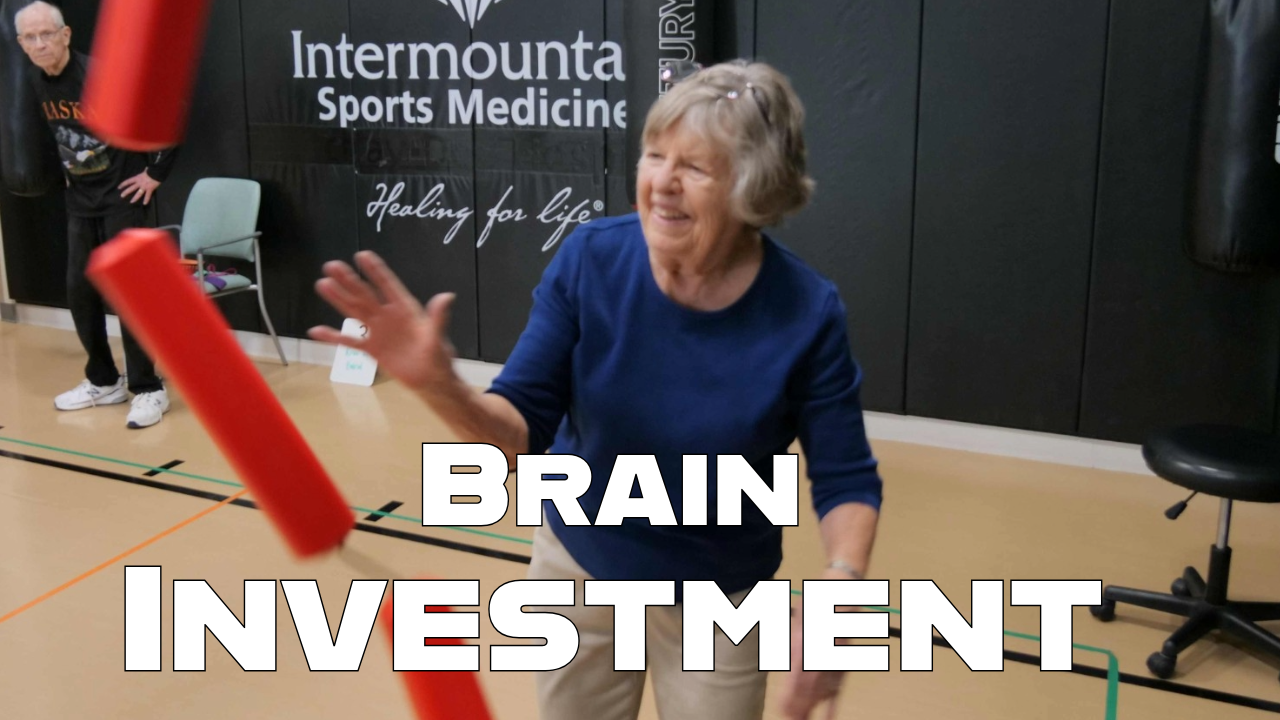
Neuroplasticity, the brain’s ability to reorganize itself, requires active engagement, not passive repetition. When therapy lacks cognitive involvement, patients often progress slowly or disengage altogether.
Existing Solutions & Their Limits
Traditional therapy tools include resistance exercises, balance boards, gait training, and manual drills. While effective, they can become predictable. Patients may perform movements without true awareness or decision-making, limiting neurological gains.
Motivation is another challenge. When therapy feels like a chore, consistency suffers—especially for long-term conditions.
A Better Approach: Reaction-Based Movement
Reaction training introduces unpredictability, decision-making, and timing into movement. Instead of repeating the same motion, patients respond to visual cues, forcing the brain and body to communicate in real time.
This approach mirrors real-world demands: stepping, reaching, stabilizing, and reacting.
Why Jukestir Works
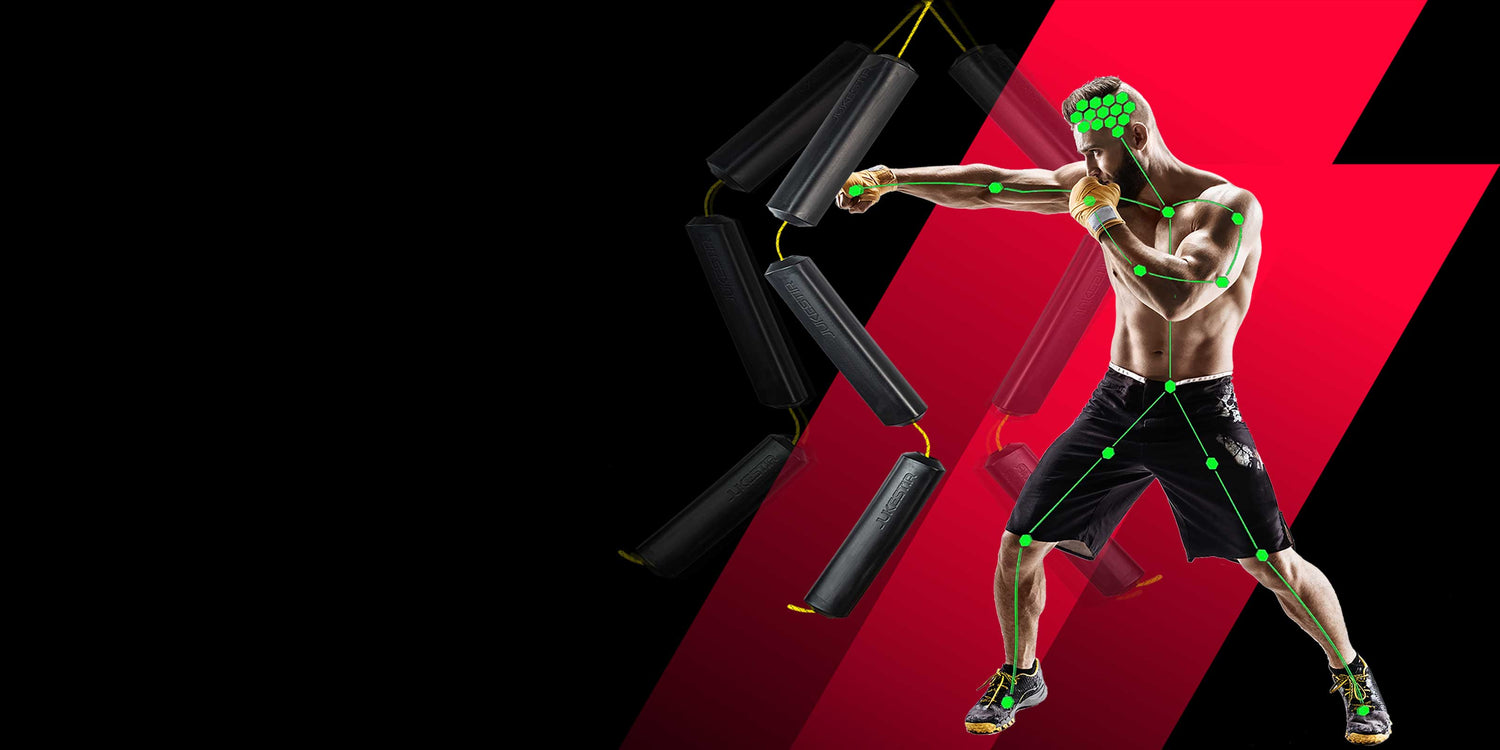
Jukestir uses light-based reaction training to activate multiple systems at once:
-
Encourages neuroplasticity through stimulus-response training
-
Improves coordination, balance, and timing
-
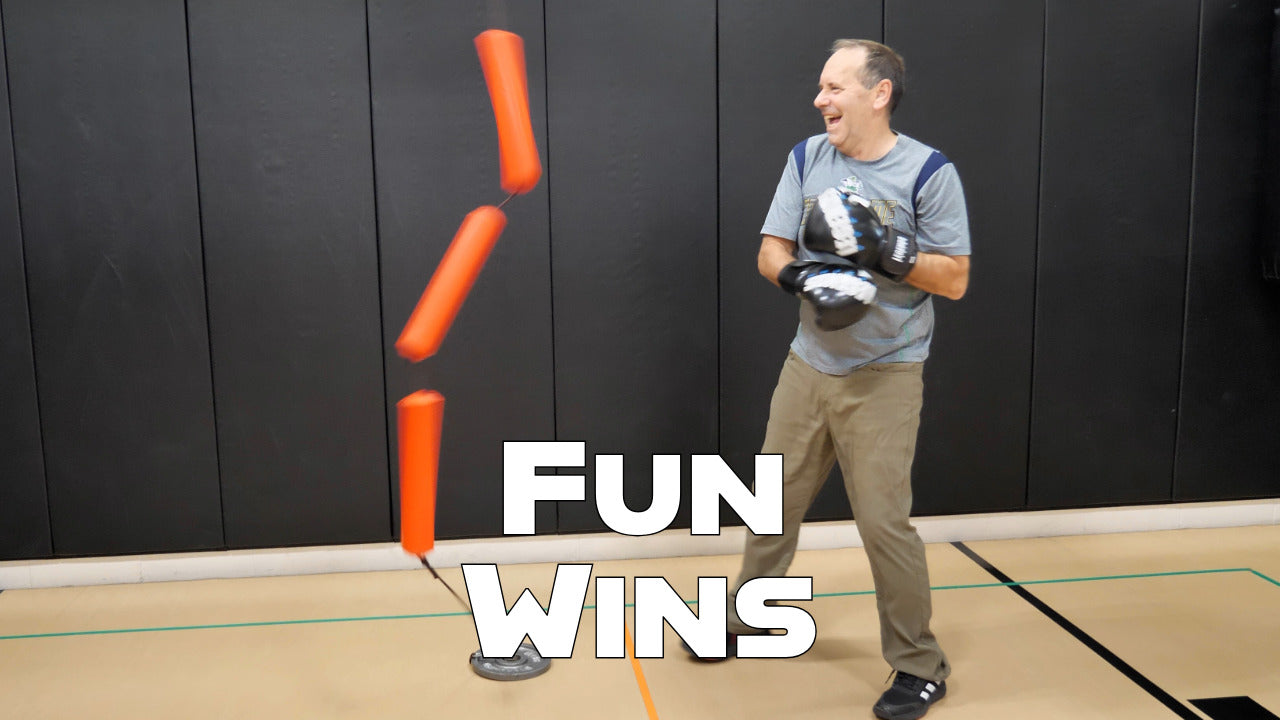
Keeps patients mentally engaged
-
Adapts to different abilities and therapy stages
It’s not about replacing therapy, it’s about enhancing it.
Learn more about how Jukestir supports modern physical therapy.

Leave a comment
All comments are moderated before being published.
This site is protected by hCaptcha and the hCaptcha Privacy Policy and Terms of Service apply.